Insulation plays a crucial role in maintaining the comfort and energy efficiency of your home. It acts as a barrier against heat flow, keeping your living spaces warm in the winter and cool during the summer. This not only enhances your comfort but also significantly reduces energy consumption, leading to lower utility bills. Understanding the importance of insulation is essential for homeowners who want to create a more sustainable and cost-effective living environment.One of the primary benefits of insulation is its ability to improve energy efficiency.
By minimizing heat transfer, insulation helps to stabilize indoor temperatures, reducing the need for heating and cooling systems to work overtime. This not only conserves energy but also extends the lifespan of your HVAC systems, saving you money on repairs and replacements in the long run. Furthermore, effective insulation can contribute to a smaller carbon footprint, making your home more environmentally friendly.In addition to energy savings, insulation also enhances the overall comfort of your home. Properly insulated spaces are less prone to drafts and temperature fluctuations, creating a more pleasant living environment.
Insulation can also help reduce noise pollution from outside, providing a quieter and more serene atmosphere inside your home. With these benefits in mind, it becomes clear that investing in quality insulation is not just about immediate comfort; it’s about long-term savings and sustainability.As we delve deeper into the world of insulation, it’s important to explore the various types available, particularly blown and rolled insulation. Each type has its unique characteristics, advantages, and applications that can significantly impact your home’s performance. By understanding these differences, you can make an informed decision that aligns with your specific needs and goals for insulation installation.
What is Blown Insulation?
Blown insulation is a popular choice among homeowners looking to enhance their home's energy efficiency.This type of insulation is created by blowing loose material into walls, attics, and other spaces, providing a seamless barrier against heat loss and air infiltration.
Types of Blown Insulation
- Fiberglass Insulation: Made from fine glass fibers, fiberglass blown insulation is lightweight and non-combustible. It is known for its excellent thermal performance and soundproofing qualities. Fiberglass is often treated with a special coating to enhance its moisture resistance.
- Cellulose Insulation: This eco-friendly option is made from recycled paper products, primarily newspapers. Cellulose insulation is treated with fire retardants and is known for its ability to fill gaps and voids effectively, making it an excellent choice for irregularly shaped spaces.
Benefits of Blown Insulation
- Superior Coverage: One of the primary advantages of blown insulation is its ability to conform to the shape of the space being insulated.
This ensures that even hard-to-reach areas are adequately covered, minimizing thermal bridging.
- Energy Efficiency: By reducing air leaks and providing a high R-value per inch, blown insulation can significantly lower heating and cooling costs. Homeowners often notice a decrease in their energy bills after installation.
- Sound Dampening: Blown insulation also provides excellent soundproofing benefits, making it an ideal choice for homes located in noisy environments or for those who desire a quieter living space.
- Quick Installation: The installation process for blown insulation is relatively quick compared to rolled options. Professionals can complete the job in a fraction of the time, minimizing disruption to your home.
- Environmentally Friendly Options: With cellulose insulation being made from recycled materials, homeowners can choose a sustainable option that contributes to environmental conservation.
What is Rolled Insulation?
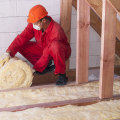
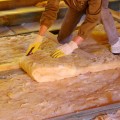
Rolled insulation, often referred to as batts or blankets, is a popular choice among homeowners and contractors for its ease of installation and effectiveness in thermal regulation.This type of insulation is typically made from materials such as fiberglass or mineral wool , both of which offer unique benefits and characteristics.
Fiberglass rolled insulation
consists of fine glass fibers that trap air, providing excellent thermal resistance. It is lightweight, non-combustible, and resistant to moisture, making it a versatile option for various applications. On the other hand,
mineral wool rolled insulation
, also known as rock wool, is made from natural or recycled materials and offers superior soundproofing qualities along with fire resistance.
Types of Rolled Insulation
- Fiberglass Batts: These are pre-cut sections that fit between standard wall studs and ceiling joists. They come in various thicknesses and R-values, allowing for tailored insulation solutions.
- Mineral Wool Batts: Similar to fiberglass batts but with added sound-dampening properties.
They are ideal for areas where noise reduction is a priority.
- Reflective or Radiant Barrier Insulation: This type includes a reflective surface that helps reduce heat transfer, particularly in attics where radiant heat can significantly impact energy efficiency.
Benefits of Rolled Insulation
- Cost-Effective: Rolled insulation tends to be less expensive than blown options, making it an attractive choice for budget-conscious homeowners.
- Ease of Installation: With minimal tools required, many DIY enthusiasts find rolled insulation easy to handle and install.
- Versatility: Available in various sizes and thicknesses, rolled insulation can be used in walls, ceilings, floors, and attics.
- Energy Efficiency: Properly installed rolled insulation can significantly reduce heating and cooling costs by maintaining consistent indoor temperatures.
While it has its advantages, it’s essential to consider the specific needs of your space when deciding between rolled and blown insulation options.
Comparing Blown and Rolled Insulation
When it comes to insulation installation, understanding the differences between blown and rolled insulation is crucial for making an informed decision. Each type has its unique characteristics that can significantly impact your home's energy efficiency, comfort, and overall cost. Below, we will compare these two popular insulation methods across several key factors.R-Value Comparison
The R-value measures an insulation material's resistance to heat flow; the higher the R-value, the better the insulation's effectiveness. Blown insulation typically offers a higher R-value per inch compared to rolled insulation.For instance, cellulose and fiberglass blown insulation can achieve R-values ranging from 3.1 to 4.2 per inch, while rolled fiberglass insulation generally provides R-values between 2.9 and 3.7 per inch. This means that in areas where space is limited, blown insulation may provide superior thermal performance.
Cost Considerations
Cost is often a deciding factor for homeowners when choosing between blown and rolled insulation. Generally, rolled insulation tends to be less expensive upfront due to its simpler manufacturing process and ease of handling. However, the installation costs can vary significantly based on the complexity of the job.Blown insulation may have a higher initial cost due to the need for specialized equipment and professional installation, but it can lead to long-term savings on energy bills due to its superior insulating properties.
Ease of Installation
Installation methods differ greatly between these two types of insulation. Rolled insulation is often easier for DIY enthusiasts to install since it comes in batts or rolls that can be cut to fit standard spaces like walls and attics. On the other hand, blown insulation requires a machine to blow the material into place, which can be cumbersome for untrained individuals. This complexity often necessitates hiring professionals for blown insulation installation, adding to the overall cost.Suitability for Different Areas
The choice between blown and rolled insulation also depends on where you plan to install it in your home.Blown insulation is particularly effective in hard-to-reach areas such as attics, crawl spaces, and irregularly shaped spaces where traditional batts may not fit well. Conversely, rolled insulation is ideal for standard wall cavities and floors where it can be easily laid out in a uniform manner.In summary, both blown and rolled insulation have their pros and cons depending on your specific needs and circumstances. By considering factors such as R-value, cost, ease of installation, and suitability for different areas of your home, you can make a more informed choice that aligns with your energy efficiency goals.
Installation Process: Blown vs Rolled Insulation
When it comes to insulation installation, understanding the processes for both blown and rolled insulation is crucial for homeowners. Each method has its own unique steps, tools, and considerations, making it essential to choose the right approach based on your specific needs and capabilities.How to Install Blown Insulation
Blown insulation is typically made from materials like cellulose or fiberglass and is ideal for filling gaps and hard-to-reach areas.Here’s a step-by-step guide to installing blown insulation:
- Gather Your Materials: You will need a blown insulation machine, insulation material (cellulose or fiberglass), safety gear (gloves, goggles, mask), and a measuring tape.
- Prepare the Area: Clear the space where you will be working. Ensure that there are no obstructions in attics or crawl spaces.
- Measure the Space: Calculate the square footage of the area to determine how much insulation you will need. This will help you avoid over-purchasing materials.
- Set Up the Machine: Follow the manufacturer’s instructions to set up the blown insulation machine. Make sure it is connected to a power source and that you have enough insulation material loaded into it.
- Start Blowing Insulation: Begin at one end of the area and work your way across.
Move slowly to ensure even coverage, filling all gaps and voids. Aim for a consistent depth as recommended by local building codes.
- Check Your Work: After completing the installation, inspect the area to ensure that there are no missed spots or uneven coverage.
How to Install Rolled Insulation
Rolled insulation, often made from fiberglass batts, is easier to handle for many DIY enthusiasts. Here’s how to install rolled insulation:- Gather Your Tools: You will need rolled insulation batts, a utility knife, measuring tape, safety gear, and possibly a stapler for securing the material.
- Measure and Cut: Measure the spaces between your studs or joists. Cut the rolled insulation to fit these measurements using a utility knife.
- Position the Insulation: Place the cut batts between the studs or joists.
Ensure that they fit snugly without compressing them too much, as this can reduce their effectiveness.
- Secure the Insulation: If necessary, use a stapler to secure the edges of the batts to the framing. This helps keep them in place during installation.
- Seal Gaps: After installing all batts, check for any gaps or spaces where air could escape. Use caulk or foam sealant to fill these areas for optimal energy efficiency.
Cost Analysis: Blown vs Rolled Insulation
When considering insulation installation, one of the most critical factors to evaluate is the cost associated with both blown and rolled insulation.Understanding the financial implications can help homeowners make informed decisions that align with their budgets and long-term energy savings goals.
Initial Costs
The upfront costs for insulation can vary significantly between blown and rolled options. Generally, blown insulation tends to have a higher initial cost due to the specialized equipment required for installation. On average, homeowners can expect to pay between $1.00 and $2.50 per square foot for blown insulation, depending on the material used, such as cellulose or fiberglass.In contrast, rolled insulation is often more budget-friendly, with costs ranging from $0.50 to $1.50 per square foot. This lower price point makes rolled insulation an attractive option for those on a tighter budget or for DIY enthusiasts who may choose to install it themselves.
Long-Term Savings
While the initial investment is an important consideration, it’s essential to look at the long-term savings associated with each type of insulation.
Blown insulation typically offers superior thermal performance and air sealing capabilities compared to rolled insulation. This means that homes insulated with blown materials may experience lower energy bills over time.According to various studies, homeowners can save anywhere from 10% to 50% on their heating and cooling costs by choosing high-quality blown insulation. In contrast, while rolled insulation can still provide decent energy efficiency, its performance may not match that of blown options, potentially leading to higher energy expenses in the long run.
Additional Considerations
- Installation Complexity: The complexity of installation can also impact overall costs. Blown insulation requires professional installation, which adds labor costs to the initial investment.
Rolled insulation, however, can often be installed by homeowners themselves, saving on labor expenses.
- Material Longevity: The lifespan of the materials used in both types of insulation should also be factored into the cost analysis. Blown insulation generally has a longer lifespan and better resistance to settling over time compared to rolled options.
- Local Climate: The local climate can influence which type of insulation is more cost-effective in the long run. In colder climates, investing in blown insulation may yield greater savings due to its superior insulating properties.
Environmental Impact of Insulation Choices
When considering insulation installation, the environmental impact of the materials used is a crucial factor that often gets overlooked.Both blown and rolled insulation have their own ecological footprints, and understanding these can help homeowners make more informed choices.
Blown Insulation
, typically made from materials like cellulose, fiberglass, or spray foam, can vary significantly in its environmental impact. Cellulose insulation, for instance, is often made from recycled paper products, making it a more sustainable option. It requires less energy to produce compared to fiberglass and has a lower carbon footprint. Additionally, cellulose has excellent thermal performance, which can lead to reduced energy consumption in homes over time.On the other hand, fiberglass blown insulation is made from sand and recycled glass.
While it is effective in terms of thermal resistance, the production process is energy-intensive and can contribute to higher greenhouse gas emissions. Furthermore, some types of spray foam insulation contain chemicals that may have negative environmental effects during production and disposal.
Rolled Insulation
, commonly available in batts or rolls, also presents various environmental considerations. Fiberglass batts are widely used due to their affordability and effectiveness. However, similar to blown fiberglass, their production involves significant energy use and resource extraction.
The manufacturing process can also release volatile organic compounds (VOCs), which may contribute to indoor air pollution.In contrast, there are eco-friendly alternatives available in rolled insulation options. For example, cotton insulation, made from recycled denim or cotton scraps, is a sustainable choice that not only provides good thermal performance but also minimizes waste. Additionally, mineral wool insulation is another option that offers fire resistance and soundproofing benefits while being produced from natural or recycled materials.When evaluating the sustainability of insulation materials, it’s essential to consider factors such as:
- Recyclability: Can the material be recycled at the end of its life cycle?
- Energy Efficiency: How much energy is required for production?
- Source Materials: Are the raw materials renewable or recycled?
- Indoor Air Quality: Does the material emit harmful substances?
Common Myths About Blown and Rolled Insulation
When it comes to insulation installation, many homeowners are often misled by common myths surrounding both blown and rolled insulation.Understanding these misconceptions is crucial for making informed decisions that can impact energy efficiency and comfort in your home.
- Myth 1: Blown Insulation is Always Better than Rolled Insulation
While blown insulation offers excellent coverage and can fill gaps and voids effectively, it is not universally superior. The choice between the two depends on specific needs, such as the area being insulated and budget constraints. For instance, rolled insulation may be more suitable for attics with a flat surface, while blown insulation excels in hard-to-reach areas. - Myth 2: Rolled Insulation is Easier to Install
Many believe that rolled insulation is simpler to install due to its pre-cut dimensions. However, this can be misleading.Proper installation of rolled insulation requires precise measurements and cutting to fit around obstacles like ducts and beams. In contrast, blown insulation can be installed more quickly in irregular spaces, although it requires specialized equipment.
- Myth 3: Blown Insulation Settles Over Time
A common concern is that blown insulation will settle and lose its effectiveness. While some settling can occur, modern materials are designed to minimize this issue. Proper installation techniques can also help maintain the intended R-value over time. - Myth 4: Rolled Insulation is More Cost-Effective
While rolled insulation may appear cheaper upfront, the total cost of installation can vary significantly based on labor and material requirements.Blown insulation may have a higher initial cost but can provide better long-term savings through improved energy efficiency.
- Myth 5: Both Types of Insulation are Equally Effective
Effectiveness varies based on several factors including R-value, installation method, and the specific area being insulated. Blown insulation generally provides better air sealing capabilities, while rolled insulation may be more effective in certain applications.
FAQs About Insulation Installation Choices
When considering insulation installation, homeowners often have numerous questions regarding the differences between blown and rolled insulation. Below are some of the most frequently asked questions that can help clarify your options.What is the primary difference between blown and rolled insulation?
Blown insulation is made from loose fibers that are blown into place using a special machine, allowing it to fill gaps and hard-to-reach areas effectively.In contrast, rolled insulation comes in batts or rolls and is typically installed in large, flat sections. This fundamental difference affects not only the installation process but also the overall effectiveness of the insulation.
How do I choose between blown and rolled insulation?
Your choice should depend on several factors, including:- Space Accessibility: Blown insulation is ideal for attics and irregular spaces, while rolled insulation works well in standard wall cavities.
- R-Value Requirements: Consider the R-value needed for your climate. Blown insulation often provides a higher R-value per inch compared to rolled options.
- Budget: Installation costs can vary; blown insulation may require professional installation, while rolled insulation can be a DIY project.
Is one type of insulation more energy-efficient than the other?
Both types can be energy-efficient if installed correctly. However, blown insulation tends to offer better coverage in hard-to-reach areas, which can lead to fewer air leaks and improved energy efficiency.Proper installation is crucial for maximizing performance regardless of the type chosen.
What maintenance is required for blown and rolled insulation?
Generally, both types of insulation require minimal maintenance. However, it’s essential to check for signs of moisture or pest infestations periodically. If you notice any issues with blown insulation, it may need to be replaced or topped up. Rolled insulation should be inspected for compression or damage that could reduce its effectiveness.Can I install either type of insulation myself?
While rolled insulation is often suitable for DIY installation, blown insulation typically requires professional equipment and expertise.If you choose to install rolled insulation yourself, ensure you follow manufacturer guidelines for proper installation techniques.Understanding these key aspects of insulation installation will empower you to make an informed decision that best suits your home’s needs.
Conclusion: Making the Right Choice for Your Home's Insulation Needs
In conclusion, the choice between blown and rolled insulation is not merely a matter of preference; it is a decision that can significantly impact your home's energy efficiency, comfort, and overall value. Each type of insulation has its unique characteristics, advantages, and drawbacks that cater to different needs and circumstances.Blown insulation
excels in areas where irregular shapes and hard-to-reach spaces are prevalent. Its ability to fill gaps and voids ensures a more comprehensive coverage, which can lead to superior thermal performance. This makes it an excellent choice for attics, walls, and crawl spaces where traditional methods may fall short.
However, it is essential to consider the installation process, as it often requires professional assistance and specialized equipment.On the other hand, rolled insulation offers a more straightforward installation process that many homeowners can tackle themselves. It is particularly effective in standard-sized spaces such as floors and walls where uniformity is key. The ease of handling and cutting rolled insulation can save time and labor costs, making it an attractive option for DIY enthusiasts. However, its effectiveness can be compromised if not installed correctly, as gaps or compression can reduce its insulating properties.Ultimately, the right choice for your home will depend on several factors:
- Your budget: Consider both material costs and installation expenses.
- Your home's architecture: Assess the areas needing insulation and their accessibility.
- Your climate: Different insulation types perform better in varying weather conditions.
- Your personal preferences: Decide whether you prefer a DIY project or professional installation.
By carefully weighing the pros and cons of each option, you can ensure that your choice aligns with your home's needs while maximizing energy efficiency and comfort for years to come.