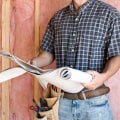
When it comes to insulation installation, understanding the different types of insulation available is crucial for making informed decisions. Each type of insulation has unique properties, applications, and benefits that cater to various needs and preferences. Whether you are looking to enhance energy efficiency, reduce noise, or improve comfort in your home, knowing the right insulation material can make all the difference. Among the most common types of insulation are fiberglass , foam , cellulose , and mineral wool. Fiberglass insulation is widely used due to its affordability and effectiveness.
It comes in batts or rolls, making it suitable for attics, walls, and floors. On the other hand, foam insulation, which includes both rigid foam boards and spray foam, offers superior air sealing capabilities and is ideal for hard-to-reach areas like crawl spaces and around windows. Cellulose insulation, made from recycled paper products, is an eco-friendly option that provides excellent thermal performance and soundproofing. It is often used in attics and wall cavities. Lastly, mineral wool insulation is known for its fire-resistant properties and sound-dampening qualities, making it a great choice for areas that require additional safety measures. Understanding these various types of insulation not only helps you choose the right material for your project but also allows you to consider factors such as installation methods, cost-effectiveness, and long-term benefits.
As you delve deeper into the world of insulation, you'll find that each type has its own set of advantages tailored to specific applications, ensuring that your home remains comfortable and energy-efficient.
The Pros and Cons of DIY Insulation Installation
When considering whether to tackle insulation installation as a DIY project, it’s essential to weigh the pros and cons. Understanding these factors can help you make an informed decision that aligns with your skills, budget, and comfort level.Advantages of DIY Insulation Installation
- Cost Savings: One of the most significant benefits of a DIY approach is the potential for substantial cost savings. By eliminating labor costs associated with hiring a professional, you can allocate your budget towards high-quality materials or other home improvement projects.
- Control Over the Project: Taking on insulation installation yourself allows you to have complete control over the process. You can set your own timeline, choose the materials that best suit your needs, and ensure that the work meets your standards.
- Learning Experience: Engaging in a DIY project can be a valuable learning experience.
You’ll gain hands-on knowledge about insulation types, installation techniques, and home energy efficiency, which can be beneficial for future projects.
- Personal Satisfaction: Successfully completing a DIY insulation project can provide a sense of accomplishment. Knowing that you improved your home’s energy efficiency through your own efforts can be incredibly rewarding.
Challenges of DIY Insulation Installation
- Time-Consuming: While DIY projects can save money, they often require a significant time investment. Depending on the size of the area being insulated and your experience level, installation could take longer than anticipated.
- Potential Risks: Insulation installation can pose various risks, including exposure to harmful materials like fiberglass or dust. Without proper protective gear such as masks, gloves, and goggles, you may face health hazards during the installation process.
- Lack of Expertise: If you lack experience in home improvement projects, you may encounter challenges that could lead to improper installation.
Mistakes in insulation placement can result in reduced energy efficiency and increased utility bills.
- No Warranty: Unlike professional installations that often come with warranties or guarantees, DIY projects typically do not offer this safety net. If issues arise post-installation, you will be solely responsible for rectifying them.
When to Consider Hiring a Professional for Insulation Installation
Deciding whether to hire a professional for insulation installation can be a daunting task, especially for homeowners who are eager to save money and take on DIY projects. However, there are specific scenarios where enlisting the help of an expert is not just beneficial but essential.1.Complexity of the Project
If your insulation project involves complex areas such as cathedral ceilings, crawl spaces, or walls with irregular shapes, hiring a professional is advisable.
These situations often require specialized knowledge and techniques that a typical homeowner may not possess. Professionals are trained to navigate these complexities efficiently, ensuring that the insulation is installed correctly and effectively.
2.Safety Concerns
Insulation installation can pose various safety risks, particularly when working in confined spaces or at heights. Professionals are equipped with the necessary safety gear and training to handle hazardous materials, such as fiberglass or spray foam insulation. If you have any concerns about your safety or health while performing the installation, it’s wise to hire a contractor.
3.Time Constraints
For homeowners with busy schedules, time can be a significant factor.
Professional insulation contractors can complete the job much faster than an inexperienced DIYer. They have the tools and experience to work efficiently, minimizing disruption to your daily life. If you need insulation installed quickly—perhaps before winter sets in—consider hiring a professional.
4.Warranty and Guarantees
One of the most compelling reasons to hire a professional is the warranty that often accompanies their work. Many contractors offer guarantees on their installations, providing peace of mind that if any issues arise post-installation, they will address them at no additional cost.
This assurance can save you both time and money in the long run.
5.Access to Specialized Equipment
Professional insulation installers have access to advanced tools and equipment that may not be available to the average homeowner. This includes blowers for blown-in insulation and specialized cutting tools for precise fitting. Utilizing these tools can lead to a more effective installation, enhancing your home’s energy efficiency.
6.Knowledge of Local Codes and Regulations
Insulation installation often requires adherence to local building codes and regulations. Professionals are familiar with these requirements and can ensure that your project complies with all necessary standards, preventing potential legal issues down the line.In summary, while DIY insulation installation may seem appealing for its cost-saving potential, there are numerous scenarios where hiring a professional is not only advisable but necessary.
From ensuring safety and compliance with regulations to providing warranties and utilizing specialized equipment, professionals bring invaluable expertise that can enhance the overall quality of your insulation project.
Assessing Your Home's Insulation Needs
Before embarking on any insulation project, it is essential to assess your home's current insulation situation. This evaluation will help you identify areas that require improvement and determine how much insulation you need to achieve optimal energy efficiency.1.Inspect Existing Insulation
- Begin by checking the areas where insulation is typically installed, such as attics, walls, basements, and crawl spaces. Look for signs of wear, moisture damage, or pest infestations that could compromise the effectiveness of your insulation.
- Take note of the type of insulation currently in place. Common types include fiberglass batts, blown-in cellulose, and spray foam.
Each type has different R-values and performance characteristics.
2.Evaluate Insulation Levels
To determine if your home is adequately insulated, you need to understand the recommended R-values for your region. The R-value measures the insulation's resistance to heat flow; higher values indicate better insulating properties. You can find guidelines for recommended R-values based on your climate zone from resources like the U. S.
Department of Energy
.3.Identify Areas Needing Improvement
- Pay special attention to areas that are prone to temperature fluctuations, such as attics and exterior walls. If these areas feel drafty or excessively hot or cold, they may require additional insulation.
- Consider conducting a thermal imaging inspection to pinpoint areas where heat loss occurs. This technology can reveal hidden gaps in insulation that are not visible during a standard inspection.
4.Calculate Required R-Value
Once you have assessed your existing insulation levels and identified areas needing improvement, it’s time to calculate the required R-value for those spaces. To do this:
- Measure the square footage of the area you plan to insulate.
- Refer to local building codes or energy efficiency guidelines to find the recommended R-value for that specific area.
- Multiply the square footage by the required R-value to determine how much insulation material you will need.
Safety Precautions for DIY Insulation Installation
When embarking on a DIY insulation installation project, prioritizing safety is paramount.Insulation materials can pose various health risks, and the installation process itself can lead to accidents if proper precautions are not taken. Here are essential safety tips and protective gear recommendations to ensure a safe and effective insulation installation.
Protective Gear for Insulation Installation
- Respiratory Protection: Depending on the type of insulation you are using, it is crucial to wear a mask that can filter out fine particles. An N95 respirator is often recommended for fiberglass insulation, as it helps prevent inhalation of harmful fibers.
- Eye Protection: Safety goggles or glasses should be worn to protect your eyes from dust and small particles that may become airborne during installation.
- Skin Protection: Insulation materials can irritate the skin. Wear long-sleeved shirts, long pants, and gloves to minimize direct contact with insulation fibers.
Consider using disposable coveralls for added protection.
- Footwear: Sturdy work boots with good traction are essential, especially if you are working in an attic or crawl space where surfaces may be uneven or slippery.
Avoiding Hazards During Installation
In addition to wearing the appropriate protective gear, it is important to be aware of potential hazards that can arise during the insulation installation process:- Ventilation: Ensure that the area where you are working is well-ventilated. This is particularly important when using spray foam insulation or other materials that may emit fumes. Open windows and use fans to circulate air.
- Lifting Techniques: Insulation materials can be heavy and cumbersome. Use proper lifting techniques to avoid back injuries.
Bend at the knees and keep your back straight when lifting heavy rolls or batts of insulation.
- Electrical Hazards: Be cautious of electrical wiring when installing insulation in walls or attics. Always turn off power to the area you are working in to prevent accidental electrocution.
- Heat-Related Illnesses: If you are working in a confined space or during hot weather, take regular breaks to hydrate and cool down. Heat exhaustion can occur quickly in poorly ventilated areas.
Cost Comparison: DIY vs.
Professional Insulation InstallationWhen considering insulation installation, one of the most significant factors to evaluate is the cost. Understanding the financial implications of both DIY and professional installation can help homeowners make informed decisions that align with their budgets and long-term goals.
Cost of DIY Insulation
Opting for a DIY approach can lead to substantial savings, particularly if you are comfortable with basic home improvement tasks. The primary costs associated with DIY insulation include:
- Materials: Depending on the type of insulation chosen, materials can range from $0.50 to $2.00 per square foot for fiberglass batts, while blown-in cellulose may cost between $1.00 and $2.50 per square foot.
- Tools: If you don’t already own the necessary tools, you may need to purchase or rent items such as a staple gun, utility knife, and safety gear. This could add an additional $100 to $300 to your overall costs.
- Time: While not a direct financial cost, consider the value of your time.
A DIY project may take longer than anticipated, especially if you encounter challenges.
Cost of Professional Installation
Hiring a professional contractor typically incurs higher upfront costs but can offer benefits that justify the expense:
- Labor Costs: Professional installation can range from $1.50 to $3.50 per square foot, depending on the complexity of the job and local labor rates.
- Expertise: Professionals bring experience and knowledge that can prevent costly mistakes, ensuring that insulation is installed correctly for maximum efficiency.
- Warranty: Many contractors offer warranties on their work, providing peace of mind that any issues will be addressed without additional costs.
Budgeting for Insulation Installation
When budgeting for insulation installation, it’s essential to consider not just the initial costs but also potential long-term savings on energy bills. Proper insulation can significantly reduce heating and cooling expenses, making it a worthwhile investment regardless of the installation method chosen.
Cost Analysis of Insulation Options
A comprehensive cost analysis should include:
- The total square footage needing insulation.
- The type of insulation material selected.
- The estimated labor costs if hiring a professional.
- The potential energy savings over time based on improved efficiency.
Common Mistakes to Avoid in Insulation Installation
When it comes to insulation installation, whether you choose to tackle the project yourself or hire a professional, avoiding common mistakes is crucial for achieving optimal results. Here are some frequent errors that can occur during insulation projects and tips on how to steer clear of them.1.Inadequate Preparation
One of the most significant mistakes homeowners make is failing to prepare adequately before starting the installation. This includes not measuring the area correctly or not accounting for existing insulation.Always take the time to assess the space thoroughly and calculate how much insulation you will need. A well-prepared plan can save you time and money.
2.Ignoring R-Value Requirements
The R-value measures insulation's effectiveness in resisting heat flow. Many DIYers overlook this critical factor, leading to insufficient insulation. Research the recommended R-value for your climate zone and ensure that your chosen insulation meets or exceeds these standards.3.Poor Installation Techniques
Improper installation techniques can significantly reduce the effectiveness of your insulation.Common errors include:
- Leaving Gaps: Ensure that there are no gaps between insulation pieces, as these can lead to air leaks.
- Overcompressing Insulation: Compressing insulation reduces its effectiveness; always follow manufacturer guidelines for installation thickness.
- Incorrect Placement: Make sure insulation is placed in the right areas, such as attics, walls, and floors, according to your specific needs.
4.Neglecting Ventilation
Another common mistake is neglecting proper ventilation when installing insulation, especially in attics. Insulation can trap moisture, leading to mold growth and structural damage. Ensure that your installation allows for adequate airflow to prevent these issues.5.Skipping Safety Measures
Safety should always be a priority during any home improvement project. Failing to wear protective gear such as gloves, masks, and goggles can expose you to harmful materials like fiberglass particles or dust.Always prioritize your safety by using appropriate protective equipment.
6.Underestimating Time and Effort
Many DIYers underestimate the time and effort required for a successful insulation project. Be realistic about your skills and the time commitment involved. If you find yourself overwhelmed, it may be wise to consult a professional.Avoiding these common pitfalls will not only enhance the effectiveness of your insulation installation but also ensure a smoother process overall. Whether you choose to go the DIY route or hire a professional, being aware of these mistakes can lead to better outcomes and increased energy efficiency in your home.Conclusion: Making the Right Choice for Your Insulation Needs
In conclusion, the decision between DIY insulation installation and hiring a professional is not one to be taken lightly.It requires careful consideration of various factors that can significantly impact the outcome of your insulation project. Throughout this guide, we have explored the different types of insulation available, the pros and cons of each approach, and the essential considerations to keep in mind before making your choice.First and foremost, it is crucial to assess your own skills and comfort level with home improvement projects. If you possess a solid understanding of construction techniques and have experience with similar tasks, taking on a DIY insulation project may be a rewarding challenge. However, if you feel uncertain about your abilities or lack the necessary tools, it may be wise to seek professional assistance.Additionally, consider the specific needs of your home.
Different areas may require different types of insulation, and some installations can be more complex than others. For instance, while fiberglass batts might be manageable for a DIY enthusiast, spray foam insulation typically necessitates professional expertise due to its specialized application process.Moreover, think about the long-term implications of your choice. Professional installers not only bring experience but also offer warranties that can provide peace of mind. This assurance can be invaluable should any issues arise post-installation.
On the other hand, if you choose to go the DIY route, ensure you are well-informed about safety precautions and best practices to avoid costly mistakes.Ultimately, the right choice hinges on a combination of personal capability, project complexity, and budget considerations. By weighing these factors carefully, you can make an informed decision that aligns with your goals for energy efficiency and comfort in your home.