Insulation plays a pivotal role in creating a comfortable living environment within your home, particularly in a 1500 square foot space. It acts as a barrier against the elements, helping to regulate indoor temperatures regardless of the weather outside. Without adequate insulation, homes can become drafty and uncomfortable, leading to increased reliance on heating and cooling systems. This not only affects your comfort but also significantly impacts your energy bills.
Understanding the importance of insulation is essential for homeowners who wish to maintain a cozy atmosphere while also being mindful of their energy consumption.One of the primary benefits of proper insulation installation is its ability to enhance energy efficiency. By minimizing heat transfer, insulation helps keep your home warm in the winter and cool in the summer. This efficiency translates into lower energy costs, as your heating and cooling systems won’t have to work as hard to maintain a consistent temperature. In fact, studies have shown that homes with adequate insulation can save up to 20% on heating and cooling costs annually.
This not only benefits your wallet but also contributes to a more sustainable lifestyle by reducing overall energy consumption.Moreover, insulation contributes to soundproofing your home, creating a quieter living space by dampening external noise. This is particularly beneficial in urban areas or homes located near busy streets. Additionally, proper insulation can prevent moisture buildup, which can lead to mold growth and structural damage over time. By investing in quality insulation installation, you are not only enhancing your home’s comfort and efficiency but also protecting your investment for years to come.
Measuring Your Home for Insulation Installation
Accurate measurements are the cornerstone of effective insulation installation.Knowing how to measure your home properly ensures that you purchase the right amount of insulation, which can significantly impact both comfort and energy efficiency. Here’s a comprehensive guide to help you measure your home for insulation.
Step 1: Gather Your Tools
- Measuring tape
- Notepad and pen or a digital device for recording measurements
- Calculator (optional, but helpful for conversions)
Step 2: Measure Each Room
Start by measuring the length and width of each room where you plan to install insulation. For rectangular or square rooms, use the following formula to calculate the area:
- Measure the length in inches.
- Measure the width in inches.
- Multiply the length by the width to get the area in square inches.
- Convert square inches to square feet by dividing by 144 (since there are 144 square inches in a square foot).
Step 3: Account for Irregular Spaces
If your rooms have irregular shapes, break them down into smaller rectangles or squares. Measure each section separately and then sum their areas to get the total square footage.
Don’t forget to measure:
- Walls
- Floors
- Ceilings
- Attics and crawl spaces
Step 4: Consider Vertical Spaces
For walls, measure the height from floor to ceiling in addition to the width. Use the same area calculation method as before:
- Height (in inches) x Width (in inches) = Area (in square inches)
- Convert to square feet by dividing by 144.
Step 5: Document Everything
Keep a detailed record of all your measurements. This documentation will be invaluable when calculating how much insulation you need and when consulting with professionals.
Final Thoughts
The accuracy of your measurements directly influences the effectiveness of your insulation installation. Taking the time to measure correctly will not only save you money but also enhance your home's comfort and energy efficiency.
If you're ever in doubt, consider reaching out to a professional for assistance.
Types of Insulation: Choosing the Right Material
When it comes to insulation installation, selecting the right type of insulation material is crucial for achieving optimal energy efficiency and comfort in your home. Each insulation type has its unique properties, advantages, and disadvantages, making it essential to understand your options before making a decision.Fiberglass Insulation
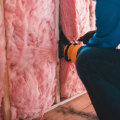
Fiberglass insulation is one of the most commonly used materials in residential construction. It consists of tiny glass fibers that trap air, providing excellent thermal resistance. Here are some key points:- Pros: Cost-effective, non-combustible, and resistant to moisture.
- Cons: Can irritate skin and lungs during installation; requires protective gear.
Spray Foam Insulation
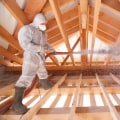
Spray foam insulation is a versatile option that expands upon application, filling gaps and creating an airtight seal.This makes it ideal for hard-to-reach areas.
- Pros: Superior air sealing capabilities, high R-value per inch, and moisture-resistant.
- Cons: Higher initial cost and requires professional installation.
Cellulose Insulation
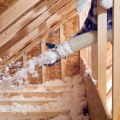
Made from recycled paper products, cellulose insulation is an eco-friendly choice that offers good thermal performance. It is often treated with fire retardants for safety.- Pros: Environmentally friendly, effective at reducing air leaks, and provides soundproofing benefits.
- Cons: Can settle over time, reducing its effectiveness; may require professional installation.
Rigid Foam Insulation
Rigid foam insulation boards are made from polystyrene or polyisocyanurate and are often used in walls, roofs, and foundations. They provide high insulating values with minimal thickness.- Pros: High R-value per inch, moisture-resistant, and lightweight.
- Cons: More expensive than other options and can be challenging to install in irregular spaces.
Calculating the Amount of Insulation Needed
Calculating the right amount of insulation for your 1500 square foot home is essential for achieving optimal energy efficiency and comfort.The process involves several steps, including measuring your space, understanding insulation types, and utilizing tools like insulation calculators.To begin, you need to accurately measure the areas where insulation will be installed. This includes attics, walls, floors, and basements. Here’s a simple method to calculate the square footage:
- Measure Length and Width: For each area, measure the length and width in feet.
- Calculate Square Footage: Multiply the length by the width to get the total square footage for that area.
- Add Up Areas: If you have multiple areas to insulate, sum all the square footages to determine the total area needing insulation.
These calculators can give you a tailored estimate of how much insulation material you will need.If you prefer a more personalized approach or have complex areas to insulate, consulting a professional can be beneficial. A qualified contractor can assess your home’s specific needs and provide a detailed estimate that includes:
- The areas to be insulated
- The recommended R-value based on local climate
- The type and thickness of insulation required
- Labor costs associated with installation
- Existing Insulation: If your home already has some insulation, you may need less than what a calculator suggests.
- Local Building Codes: Ensure that your insulation meets local regulations regarding R-values.
- Future Energy Costs: Investing in higher R-value insulation may save more on energy bills in the long run.
Labor Costs and DIY vs. Professional Installation
When it comes to insulation installation, understanding the associated labor costs is crucial for homeowners planning to insulate their 1500 square foot home. The decision to undertake this project yourself or hire a professional can significantly impact your budget and the overall success of the installation.Labor Costs Overview
Labor costs for insulation installation can vary widely based on several factors, including:
- Type of Insulation: Different materials require different installation techniques, which can affect labor costs.
For instance, spray foam insulation often requires specialized equipment and training, leading to higher labor expenses.
- Location: Labor rates can differ based on geographic location. Urban areas may have higher costs due to demand and living expenses.
- Complexity of the Job: If your home has hard-to-reach areas, such as tight attics or crawl spaces, the labor involved may increase, raising overall costs.
DIY Insulation Installation
Many homeowners consider DIY insulation installation as a way to save money. While this approach can be cost-effective, it comes with its own set of challenges:
- Cost Savings: By doing it yourself, you can save on labor costs, which can account for a significant portion of the total installation expense.
- Skill Level: Assess your own skills and experience. Some insulation types, like fiberglass batts, are relatively straightforward to install, while others, like spray foam, require more expertise.
- Time Investment: DIY projects often take longer than anticipated.
Consider whether you have the time to dedicate to this project without compromising quality.
Hiring Professionals for Insulation Installation
If you opt to hire professionals for your insulation needs, there are several advantages:
- Expertise: Professionals bring experience and knowledge that can ensure proper installation and optimal performance of the insulation.
- Time Efficiency: Hiring experts can save you time and effort, allowing you to focus on other home improvement projects or daily responsibilities.
- Warranty and Guarantees: Many professional installers offer warranties on their work, providing peace of mind that any issues will be addressed without additional costs.
Insulating Different Areas of Your Home: A Room-by-Room Guide
When it comes to insulation installation, understanding how to insulate different areas of your home is essential for achieving optimal energy efficiency and comfort. Each room or area in your house has unique characteristics that require specific insulation techniques and materials. Below is a comprehensive guide to insulating various parts of your home.Attics
Attics are often the most significant source of heat loss in a home.To effectively insulate this area, consider the following:
- Insulation Type: Use fiberglass batts or blown-in cellulose for standard attics. For unvented attics, spray foam insulation can provide an excellent air seal.
- R-Value: Aim for an R-value of at least 38 in colder climates and 30 in milder regions.
- Installation Tips: Ensure that insulation is installed between the joists without gaps. If using blown-in insulation, ensure even coverage to avoid cold spots.
Walls
Insulating walls is crucial for maintaining indoor temperatures. Here’s how to approach wall insulation:- Interior Walls: For interior walls, consider using fiberglass batts or foam board insulation to reduce sound transmission and improve energy efficiency.
- Exterior Walls: Use spray foam or rigid foam board for exterior walls, as they provide superior thermal resistance and air sealing.
- Installation Considerations: Ensure that all electrical outlets and switches are properly insulated to prevent drafts.
Floors
The floors of your home can also be a significant source of heat loss, especially if you have a crawl space or an unconditioned basement:- Crawl Spaces: Insulate the floor joists with fiberglass batts or spray foam to prevent cold air from seeping into your living space.
- Beneath Living Areas: For homes with basements, consider insulating the basement ceiling to keep the floors above warm.
- Installation Tips: Ensure that insulation is secured tightly against the joists to avoid sagging and gaps.
Basements
A well-insulated basement can significantly improve your home's overall energy efficiency:- Wall Insulation: Use rigid foam board insulation on basement walls, which helps prevent moisture issues while providing thermal resistance.
- Crawl Space Insulation: If your basement is unvented, consider insulating the walls instead of the ceiling for better energy performance.
- Mold Prevention: Always ensure proper moisture control measures are in place before installing insulation in basements.
Common Mistakes to Avoid During Insulation Installation
When it comes to insulation installation, many homeowners inadvertently make mistakes that can compromise the effectiveness of their insulation.Understanding these common errors is essential for achieving optimal energy efficiency and comfort in your home. Here are some of the most frequent pitfalls to avoid:
- Inadequate Preparation: One of the biggest mistakes is failing to prepare the area before installation. This includes cleaning out any debris, ensuring that surfaces are dry, and checking for existing damage. Proper preparation sets the stage for effective insulation.
- Ignoring R-Value Requirements: Each climate zone has specific R-value requirements for insulation.
Homeowners often overlook these guidelines, leading to insufficient insulation that fails to provide adequate thermal resistance. Always consult local building codes or a professional to determine the appropriate R-value for your area.
- Improper Installation Techniques: Whether using fiberglass batts, spray foam, or rigid boards, improper installation can lead to gaps and voids that reduce insulation effectiveness. For instance, fiberglass batts should fit snugly between studs without compression, while spray foam should be applied evenly to avoid uneven surfaces.
- Neglecting Air Sealing: Insulation alone cannot prevent air leaks. Failing to seal gaps around windows, doors, and other penetrations can significantly undermine your insulation efforts.
Use caulk or weatherstripping to seal these areas before installing insulation.
- Overlooking Ventilation Needs: In areas like attics, proper ventilation is crucial. Installing insulation without considering airflow can lead to moisture buildup and mold growth. Ensure that vents are not blocked and that there is adequate airflow to maintain a healthy environment.
- Using the Wrong Type of Insulation: Different areas of your home require different types of insulation. For example, using batt insulation in a damp basement may lead to mold issues.
Always choose the right type based on the specific needs of each area.
The Long-Term Benefits of Proper Insulation Installation
Investing in proper insulation installation is not just a one-time expense; it is a long-term strategy that pays dividends in various ways. Homeowners who prioritize insulation can expect to see significant benefits that extend well beyond immediate comfort.Energy Savings
One of the most compelling reasons to invest in quality insulation is the potential for substantial energy savings. Properly installed insulation acts as a barrier against heat loss in the winter and heat gain in the summer, which means your heating and cooling systems do not have to work as hard.
This efficiency translates into lower energy bills over time. According to the U. S. Department of Energy, homeowners can save an average of 15% on heating and cooling costs by ensuring their homes are adequately insulated.
Increased Home Value
Another long-term benefit of effective insulation is the increase in home value.
Prospective buyers are often drawn to homes that promise energy efficiency and lower utility costs. A well-insulated home can be a significant selling point, making it more attractive in a competitive real estate market. Additionally, many buyers are willing to pay a premium for homes that have been updated with modern insulation materials, which can lead to a higher return on investment when it comes time to sell.
Improved Comfort
Beyond financial benefits, proper insulation installation enhances overall comfort within the home. Insulation helps maintain consistent indoor temperatures, reducing drafts and cold spots that can make living spaces uncomfortable.
This stability is particularly important during extreme weather conditions, ensuring that your home remains a sanctuary regardless of what’s happening outside.
Noise Reduction
Insulation also plays a crucial role in soundproofing your home. High-quality insulation materials can significantly reduce noise transmission between rooms and from outside sources, creating a more peaceful living environment. This is especially beneficial for families with children or those who work from home and require quiet spaces.
Environmental Impact
Lastly, investing in proper insulation contributes positively to the environment. By reducing energy consumption, you are also decreasing your carbon footprint.
Homes that are energy-efficient require less fossil fuel for heating and cooling, which helps combat climate change and promotes sustainability.In summary, the long-term benefits of proper insulation installation encompass energy savings, increased home value, improved comfort, noise reduction, and positive environmental impact. These advantages make it clear that investing in quality insulation is not just about immediate comfort; it’s about securing a better future for your home and your finances.
Frequently Asked Questions About Insulation Installation
When it comes to insulation installation, homeowners often have numerous questions. Understanding the ins and outs of insulation can significantly impact your home's energy efficiency and comfort. Below are some of the most frequently asked questions regarding insulation installation.What is the best type of insulation for my home?
The best type of insulation depends on various factors, including your local climate, the area of your home being insulated, and your budget.Common types include:
- Fiberglass Batts: Ideal for walls and attics, these are cost-effective and easy to install.
- Spray Foam: Excellent for sealing gaps and providing high R-values, making it suitable for attics and crawl spaces.
- Cellulose: Made from recycled paper, this is an eco-friendly option that works well in walls and attics.
- Rigid Foam Board: Great for insulating foundations and exterior walls due to its high insulating value per inch.
How do I know how much insulation I need?
The amount of insulation required is typically measured in R-value, which indicates its resistance to heat flow. For a 1500 square foot home, you can use online calculators or consult with a professional to determine the appropriate R-value based on your climate zone. Generally, attics require higher R-values than walls or floors.Can I install insulation myself?
While some homeowners choose to tackle insulation installation as a DIY project, it’s essential to consider your skill level and the complexity of the job. Installing insulation in tight spaces or irregularly shaped areas can be challenging.If you’re unsure, hiring a professional can ensure proper installation and maximize energy efficiency.
What are the signs that my home needs more insulation?
If you notice drafts, uneven temperatures between rooms, or high energy bills, these may be indicators that your home requires additional insulation. Additionally, if your attic or walls have little to no insulation, it’s time to consider an upgrade.How long does insulation installation take?
The duration of insulation installation varies based on the size of the area being insulated and the type of insulation used. A professional team can typically complete an attic or wall insulation project within a day or two. DIY projects may take longer depending on your experience level.By addressing these common questions about insulation installation, homeowners can make informed decisions that enhance their home's comfort and energy efficiency.Conclusion: Making Informed Decisions About Insulation Installation
In summary, the journey to achieving a comfortable and energy-efficient 1500 square foot home begins with understanding the critical role of insulation installation.Throughout this article, we have explored various aspects that contribute to making informed decisions regarding insulation.First and foremost, accurate measurements are essential. Knowing the dimensions of your home allows you to calculate the precise amount of insulation required. This step cannot be overlooked, as improper measurements can lead to inadequate insulation, resulting in higher energy costs and discomfort.Next, we discussed the different types of insulation available on the market. Each type has its unique properties and benefits, tailored to specific areas of your home and climate conditions.
For instance, fiberglass is often favored for its affordability and effectiveness in standard applications, while spray foam excels in sealing gaps and providing superior thermal resistance. Understanding these options enables homeowners to select the most suitable insulation for their needs.Calculating the amount of insulation needed is another crucial factor. Utilizing online calculators or consulting with professionals can provide a more accurate estimate tailored to your specific situation. This ensures that you invest in the right quantity of materials without overspending.Moreover, we highlighted the importance of considering labor costs associated with insulation installation.
Whether you choose to undertake the project yourself or hire a professional, understanding these costs will help you budget effectively and avoid unexpected expenses.Finally, insulating different areas of your home requires careful consideration. Each space—be it attics, walls, or floors—has its own requirements for effective insulation. By addressing these areas appropriately, you can maximize energy efficiency and comfort.In conclusion, making informed decisions about insulation installation is vital for enhancing both comfort and cost-efficiency in your home. By taking into account measurements, types of insulation, calculations, labor costs, and specific areas needing insulation, you can create a well-insulated environment that not only saves money but also contributes to a more sustainable future.