Insulation is a critical component of any home, serving as a barrier against heat loss in the winter and heat gain in the summer. Understanding the importance of insulation goes beyond mere comfort; it plays a vital role in enhancing energy efficiencyenergy efficiency and reducing utility bills. When properly installed, insulation can significantly decrease the amount of energy required to heat or cool your home, leading to lower energy costs and a reduced carbon footprint.Moreover, effective insulation contributes to a more consistent indoor temperature, creating a comfortable living environment year-round. This is particularly important in regions with extreme weather conditions, where inadequate insulation can lead to drafts and temperature fluctuations that make living spaces uncomfortable.
By investing in quality insulation, homeowners not only improve their comfort but also increase the overall value of their property.In addition to these benefits, insulation also plays a crucial role in soundproofing. It can help minimize noise from outside and between rooms, making your home a more peaceful sanctuary. This aspect is often overlooked but is essential for those living in busy urban areas or households with multiple family members. As we delve deeper into the various methods and materials for insulation installation, it’s important to keep these advantages in mind, as they underscore the necessity of making informed choices when it comes to insulating your home.
Types of Insulation Materials
When it comes to insulation installation, selecting the right material is crucial for achieving optimal energy efficiency and comfort in your home.Each type of insulation material has its unique properties, R-values, and best applications. Below, we explore some of the most common insulation materials available on the market today.
Fiberglass Insulation
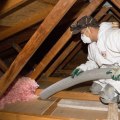
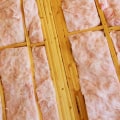
Fiberglass insulation is one of the most widely used types due to its affordability and effectiveness. It consists of tiny glass fibers that trap air, providing excellent thermal resistance. The R-value of fiberglass insulation typically ranges from 2.9 to 4.3 per inch, depending on the density and type.- Applications: Ideal for attics, walls, and floors.
- Advantages: Non-combustible, resistant to moisture, and does not settle over time.
- Disadvantages: Can irritate skin and lungs during installation; requires protective gear.
Foam Insulation
Foam insulation comes in two primary forms: spray foam and rigid foam boards.Spray foam expands upon application, filling gaps and creating an airtight seal, while rigid foam boards are pre-formed panels that provide high insulation values.
- R-value: Spray foam can achieve R-values between 6.5 to 7 per inch, while rigid foam boards typically range from 3.8 to 6.5.
- Applications: Excellent for hard-to-reach areas, basements, and exterior walls.
- Advantages: Superior air sealing properties; reduces energy costs significantly.
- Disadvantages: Higher initial cost; professional installation recommended for spray foam.
Cellulose Insulation
Cellulose insulation is made from recycled paper products treated with fire retardants. It is an eco-friendly option that provides good thermal performance.- R-value: Typically around 3.1 to 3.7 per inch.
- Applications: Suitable for attics and wall cavities; can be blown in or dense-packed.
- Advantages: Environmentally friendly; effective at reducing air leaks when properly installed.
- Disadvantages: Can settle over time if not installed correctly; may require a vapor barrier in certain climates.
Preparing for Insulation Installation
Before diving into the insulation installation process, it’s crucial to prepare adequately. Proper preparation not only ensures a smoother installation but also enhances the effectiveness of the insulation.Here are some essential steps to take before you begin.
Assessing the Area
Start by evaluating the space you plan to insulate. Look for any existing insulation and check its condition. If it’s damaged or insufficient, you may need to remove it before installing new insulation. Additionally, measure the area accurately to determine how much insulation material you will need.This includes:
- Calculating the square footage of walls, ceilings, or floors.
- Identifying any gaps or cracks that may require sealing before installation.
- Considering the type of insulation that best suits your needs based on climate and location.
Tools Needed for Insulation Installation
Having the right tools on hand can make your insulation installation project much more manageable. Here’s a list of essential tools you should gather:- Utility Knife: For cutting insulation materials to size.
- Tape Measure: To ensure accurate measurements of the area.
- Safety Glasses: To protect your eyes from dust and debris.
- Dust Mask or Respirator: To avoid inhaling harmful particles, especially when working with fiberglass insulation.
- Gloves: To protect your hands from sharp edges and irritants.
- Ladder: If you’re insulating ceilings or high walls, a sturdy ladder is essential.
- Staple Gun: For securing insulation batts in place if necessary.
Safety Precautions
Your safety should always be a priority during any home improvement project. Here are some important safety precautions to follow:- Wear Protective Gear: Always use safety glasses, gloves, and a dust mask when handling insulation materials.
- Avoid Working Alone: If possible, have someone assist you during installation for added safety and support.
- Ensure Proper Ventilation: When working in enclosed spaces, make sure there is adequate ventilation to prevent inhalation of dust or fumes.
- Be Mindful of Electrical Wiring: Check for any electrical wires in the area where you will be installing insulation to avoid accidents.
Common Mistakes to Avoid During Insulation Installation
When it comes to insulation installation, even the most well-intentioned DIY enthusiasts can make mistakes that compromise the effectiveness of their efforts. Understanding these common pitfalls is essential for achieving optimal results and ensuring your home remains energy-efficient.Here are some frequent errors to watch out for:
- Inadequate Preparation: One of the most significant mistakes is failing to prepare the area properly before installation. This includes cleaning the space, removing old insulation, and sealing any gaps or cracks that could allow air leakage. A thorough inspection of the area will help identify potential issues that need addressing.
- Ignoring R-Value Requirements: Each type of insulation has a specific R-value, which measures its thermal resistance. Homeowners often overlook the recommended R-value for their climate zone, leading to insufficient insulation.
Researching local building codes and guidelines can help ensure you choose the right material.
- Improper Installation Techniques: Many DIYers underestimate the importance of following manufacturer instructions during installation. Whether it’s cutting insulation to fit snugly or ensuring vapor barriers are correctly placed, improper techniques can lead to gaps that reduce efficiency.
- Neglecting Ventilation: Insulating without considering ventilation can trap moisture in your home, leading to mold growth and structural damage. Always ensure that your insulation strategy includes adequate ventilation to maintain air quality and prevent moisture buildup.
- Overstuffing Insulation: While it may seem beneficial to pack insulation tightly into spaces, overstuffing can compress the material, reducing its effectiveness. Insulation needs to maintain its intended thickness to perform optimally.
- Using Inappropriate Materials: Not all insulation materials are suitable for every application.
For instance, using fiberglass batts in areas prone to moisture can lead to deterioration and reduced performance. Always select materials designed for specific environments.
Cost Considerations for Insulation Installation
When planning an insulation installation project, understanding the cost factors involved is crucial for effective budgeting. The overall expense can vary significantly based on several key elements, which we will explore in detail.1.Type of Insulation Material
- Fiberglass Batts: Generally the most affordable option, with costs ranging from $0.50 to $2.00 per square foot.
- Blown-In Insulation: This type can cost between $1.00 and $2.50 per square foot, depending on the material used (cellulose or fiberglass).
- Spray Foam Insulation: While offering superior energy efficiency, spray foam can be more expensive, costing between $2.00 and $6.00 per square foot.
- Rigid Foam Board: Typically priced around $1.50 to $3.00 per square foot, this option is ideal for exterior walls and basements.
2.Area of Installation
The location where insulation is being installed also plays a significant role in determining costs.
For instance, attics and crawl spaces may require additional labor and materials due to their accessibility challenges, potentially increasing the overall price.
3.Labor Costs
If you choose to hire professionals for your insulation installation, labor costs can account for a substantial portion of your budget. On average, labor can range from $30 to $70 per hour, depending on your location and the complexity of the job.
4.DIY vs. Professional Installation
One way to save on costs is by opting for a DIY approach. While this can significantly reduce labor expenses, it’s essential to consider your skill level and the time commitment required.
Many homeowners find that they can successfully install insulation in areas like attics or basements with proper research and preparation.
5.Additional Considerations
- Permits: Depending on local regulations, you may need permits for insulation work, which can add to your costs.
- Energy Audits: Investing in an energy audit before installation can help identify specific needs and potential savings, guiding your budget effectively.
- R-Value Requirements: Higher R-values typically mean higher costs but also better energy efficiency; balancing these factors is key to budgeting.
Environmental Impact of Insulation Choices
When considering insulation installation, it is crucial to evaluate the environmental impact of the materials you choose. With growing awareness of climate change and sustainability, many homeowners are seeking eco-friendly insulation options that not only enhance energy efficiency but also minimize their carbon footprint.One of the most popular sustainable insulation materials is cellulose insulation. Made from recycled paper products, cellulose is treated with fire retardants and is an excellent choice for those looking to reduce waste. Its high R-value and ability to fill gaps make it an effective insulator, while its production process consumes less energy compared to traditional fiberglass insulation.Sheep's wool
is another eco-friendly option that offers natural thermal regulation.
This biodegradable material can absorb moisture without losing its insulating properties, making it ideal for maintaining a comfortable indoor environment. Additionally, sheep's wool is renewable and has a low environmental impact during production.
Hemp insulation
is gaining traction as a sustainable alternative as well. Hemp grows quickly and requires minimal pesticides, making it an environmentally friendly crop. The resulting insulation is not only effective but also has natural resistance to mold and pests.For those interested in a more innovative approach, mycelium-based insulation , derived from fungi, is emerging as a cutting-edge solution.
This biodegradable material can be grown in molds, creating custom shapes for specific applications. Mycelium insulation is not only sustainable but also offers excellent thermal performance.The environmental benefits of using sustainable insulation materials extend beyond just the materials themselves. By improving your home’s energy efficiency, you can significantly reduce your reliance on heating and cooling systems, leading to lower energy consumption and decreased greenhouse gas emissions. Furthermore, many eco-friendly options contribute to better indoor air quality by minimizing the release of harmful chemicals often found in conventional insulation products.In conclusion, making informed choices about insulation installation can have a profound impact on both your home’s energy efficiency and the environment.
By opting for sustainable insulation materials, you not only enhance your living space but also contribute positively to the planet's health.
Frequently Asked Questions About Insulation Installation
When it comes to insulation installation, many homeowners have questions that can arise during the planning and execution phases. Below are some of the most frequently asked questions, along with detailed answers to help you navigate your insulation project.What types of insulation are best for my home?
The best type of insulation for your home depends on several factors, including your climate, the area you are insulating, and your budget. Common types include:- Fiberglass Batts: Affordable and widely used, ideal for walls and attics.
- Blown-In Insulation: Great for filling gaps in existing walls and attics; offers high R-values.
- Spray Foam: Provides excellent air sealing and insulation but can be more expensive.
- Rigid Foam Board: Useful for insulating exterior walls and foundations.
How do I determine the right R-value for my insulation?
The R-value measures insulation's resistance to heat flow; the higher the R-value, the better the insulation. To determine the appropriate R-value for your home, consider:- Your local climate: Colder climates require higher R-values.
- The part of the home being insulated: Attics typically need higher R-values than walls.
- Your energy efficiency goals: Higher R-values can lead to lower energy bills.
Can I install insulation myself?
Yes, many homeowners choose to install insulation themselves to save on labor costs.However, it’s essential to follow safety guidelines and manufacturer instructions. If you’re unsure about any aspect of the installation, consulting a professional is advisable.
What are common issues during insulation installation?
Some common problems include:- Poor Air Sealing: Gaps can lead to drafts and reduce effectiveness.
- Mold Growth: Improper installation can trap moisture, leading to mold issues.
- Insufficient Coverage: Missing spots can create cold areas in your home.
Conclusion: Achieving Optimal Insulation for Your Home
In conclusion, achieving optimal insulation for your home is not just a matter of comfort; it is a crucial investment in energy efficiency and sustainability. Throughout this guide, we have explored various aspects of insulation installation, emphasizing the importance of selecting the right materials and techniques tailored to your specific needs.Proper insulation can significantly reduce energy costs, enhance indoor air quality, and create a more comfortable living environment.By understanding the different types of insulation available—such as blown-in, spray foam, and rigid foam—you can make informed decisions that align with your budget and climate considerations.Moreover, we discussed the significance of R-value, which measures the effectiveness of insulation. Higher R-values are essential in colder climates to prevent heat loss, while reflective insulation can be beneficial in warmer areas to keep homes cool. It is vital to assess your home’s unique characteristics and local climate when determining the appropriate insulation strategy.Additionally, we highlighted the importance of proper installation techniques. Even the best insulation materials will underperform if not installed correctly.
Whether you choose to tackle the project yourself or hire a professional, ensuring that every nook and cranny is adequately insulated will maximize your investment.As you embark on your insulation journey, consider these key takeaways:
- Evaluate Your Needs: Assess which areas of your home require insulation and what type will work best.
- Research Materials: Explore various insulation options to find one that meets your performance and budget requirements.
- Prioritize Quality Installation: Whether DIY or professional, ensure that installation is done meticulously to avoid future issues.
- Monitor Energy Efficiency: After installation, keep track of your energy bills to gauge the effectiveness of your insulation.