When it comes to creating a comfortable and energy-efficient home, R-30 insulationR-30 insulation stands out as a top choice among various insulation types. This specific insulation rating indicates a high level of thermal resistance, making it particularly effective in preventing heat transfer. Whether you are building a new home or upgrading an existing one, understanding the significance of R-30 insulation can greatly influence your energy consumption and overall comfort.R-30 insulation is commonly used in attics, ceilings, and walls, where it plays a crucial role in maintaining consistent indoor temperatures. By minimizing heat loss during winter and keeping cool air inside during summer, this insulation type not only enhances comfort but also contributes to significant energy savings.
Homeowners can expect lower utility bills and a reduced carbon footprint when they invest in quality insulation.Moreover, the benefits of R-30 insulation extend beyond just energy efficiency. It also aids in soundproofing, creating a quieter living environment by dampening external noise. This is particularly valuable in urban settings or homes located near busy roads. Additionally, R-30 insulation can improve indoor air quality by reducing drafts and preventing moisture buildup, which can lead to mold growth.As we delve deeper into the topic of R-30 insulation, it becomes essential to explore the importance of proper thickness and installation techniques.
These factors are critical in maximizing the effectiveness of R-30 insulation and ensuring that homeowners reap all its benefits. Understanding how to select the right materials and install them correctly will empower you to make informed decisions that enhance your home's energy efficiency and comfort.
The Importance of Insulation Thickness
When it comes to insulation, the thickness of the material plays a pivotal role in determining its overall effectiveness. For R-30 insulation, achieving the correct thickness is essential for maximizing energy efficiency and maintaining a comfortable indoor environment. The R-value, which measures thermal resistance, is directly influenced by the thickness of the insulation.In simple terms, the thicker the insulation, the higher the R-value, which translates to better performance in resisting heat flow.Understanding how thickness impacts insulation performance is crucial for homeowners and builders alike. Insulation works by creating a barrier that slows down heat transfer between the inside and outside of a building. When R-30 insulation is installed at the recommended thickness, it can significantly reduce heating and cooling costs by minimizing energy loss. This is particularly important in regions with extreme temperatures, where maintaining a stable indoor climate can lead to substantial savings on energy bills.Moreover, proper thickness contributes to enhanced comfort levels within a home.
Insufficient insulation thickness can lead to cold spots or drafts, making certain areas of a house less comfortable than others. By ensuring that R-30 insulation is installed at the appropriate thickness, homeowners can enjoy consistent temperatures throughout their living spaces.Another critical aspect to consider is that thicker insulation not only improves thermal resistance but also contributes to soundproofing. The density and thickness of R-30 insulation materials can help dampen noise from outside, creating a quieter and more peaceful indoor environment.In summary, the importance of insulation thickness cannot be overstated when it comes to R-30 insulation. It directly affects energy efficiency, comfort levels, and even sound control within a home.
Therefore, when planning an insulation installation project, it is vital to adhere to recommended thickness guidelines to ensure optimal performance and long-term benefits.
How R-30 Insulation Works
Understanding how R-30 insulation functions is crucial for homeowners and builders aiming to enhance energy efficiency. At its core, R-30 insulation is designed to resist heat flow, which is a fundamental aspect of maintaining a comfortable indoor environment while minimizing energy costs.The effectiveness of R-30 insulation lies in its ability to provide a high level of thermal resistance. This is quantified by its R-value, which measures the material's capacity to resist heat transfer. The higher the R-value, the better the insulation performs in preventing heat from escaping during winter or entering during summer.Specifically, R-30 insulation typically requires a thickness of around 10 to 12 inches, depending on the material used, such as fiberglass or cellulose.When heat flows through a building, it does so via conduction, convection, and radiation. R-30 insulation primarily combats conduction—the process where heat moves through solid materials. By creating a barrier that slows down this heat transfer, R-30 insulation helps maintain stable indoor temperatures.
Mechanics of Heat Flow Resistance
The mechanics behind R-30 insulation's performance can be attributed to its composition and structure. For instance:- Fiberglass: This material consists of tiny glass fibers that trap air pockets, which act as insulators.
The air within these pockets reduces heat flow significantly.
- Cellulose: Made from recycled paper products, cellulose is treated with fire retardants and has a dense structure that minimizes air movement and enhances thermal resistance.
- Mineral Wool: Known for its soundproofing qualities as well as thermal resistance, mineral wool also resists moisture and pests, adding to its effectiveness as an insulator.
By understanding these mechanics and ensuring proper installation, homeowners can significantly enhance their home's energy efficiency and comfort levels.
Selecting the Right R-30 Insulation Material
When it comes to R-30 insulation, selecting the right material is crucial for achieving optimal energy efficiency and comfort in your home. The three most common materials used for R-30 insulation are fiberglass , cellulose , and mineral wool. Each of these materials has unique properties that make them suitable for different applications.Fiberglass Insulation
Fiberglass insulation is one of the most widely used types due to its affordability and effectiveness. It consists of tiny glass fibers that trap air, providing excellent thermal resistance.Here are some key points about fiberglass:
- R-Value: Fiberglass typically offers an R-value of around 3.1 to 4.3 per inch, making it a solid choice for achieving R-30 when installed at the appropriate thickness.
- Moisture Resistance: Fiberglass is non-combustible and does not absorb moisture, which helps prevent mold growth.
- Installation: It can be installed as batts, rolls, or loose-fill, allowing for flexibility depending on the space being insulated.
Cellulose Insulation
Cellulose insulation is made from recycled paper products and is known for its eco-friendliness. It is treated with fire retardants to enhance safety. Here are some advantages of cellulose:- R-Value: Cellulose generally provides an R-value of about 3.2 to 3.8 per inch, making it effective for achieving R-30 when installed at the right depth.
- Air Barrier: Its dense composition helps reduce air leakage, contributing to better overall energy efficiency.
- Sustainability: Being made from recycled materials, cellulose is a great option for environmentally conscious homeowners.
Mineral Wool Insulation
Mineral wool, also known as rock wool or stone wool, is made from natural or recycled materials and offers unique benefits:- R-Value: Mineral wool typically has an R-value ranging from 3.0 to 4.0 per inch, making it suitable for achieving R-30 with proper thickness.
- Fire Resistance: This material is highly fire-resistant and can withstand high temperatures without melting.
- No Settling: Unlike some other insulation types, mineral wool does not settle over time, maintaining its insulating properties throughout its lifespan.
Installation Techniques for Maximum Effectiveness
When it comes to insulation installation, particularly with R-30 insulation, the techniques employed can significantly influence the overall effectiveness of the insulation.Proper installation is crucial not only for achieving the desired R-value but also for ensuring long-term performance and energy efficiency.
Best Practices for Installing R-30 Insulation
- Preparation: Before beginning the installation, ensure that the area is clean and free from debris. Inspect for any moisture issues or existing damage that could affect insulation performance.
- Measure Accurately: Accurate measurements are essential. Measure the space where the insulation will be installed to determine how much material is needed. This helps avoid waste and ensures complete coverage.
- Cutting Insulation: When cutting R-30 insulation, use a sharp utility knife or insulation saw.
Make precise cuts to fit snugly between joists or studs, as gaps can lead to heat loss.
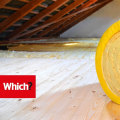
- Installation Technique: For attics, lay the insulation evenly across the floor joists, ensuring it is not compressed. In walls, fit the insulation tightly between studs without leaving any gaps.
- Sealing Gaps: After installing the insulation, seal any gaps or penetrations with caulk or spray foam. This prevents air leaks that can undermine the effectiveness of your insulation.
DIY vs. Professional Installation
While some homeowners may consider a DIY approach to installing R-30 insulation, there are several factors to weigh against hiring professionals:
- Skill Level: Installing insulation requires a certain level of skill and knowledge about building codes and safety practices.
Professionals are trained to handle these aspects effectively.
- Time Efficiency: Professionals can often complete the job more quickly than a DIYer, saving you time and potential frustration.
- Quality Assurance: Hiring experts ensures that the installation meets industry standards, which can lead to better performance and fewer issues down the line.
Common Mistakes in Insulation Installation
When it comes to insulation installation, even minor oversights can lead to significant issues that compromise the effectiveness of the insulation. Understanding common mistakes can help homeowners and contractors avoid pitfalls that may result in energy loss, increased utility bills, and discomfort. Here are some frequent errors encountered during insulation installation:- Inadequate Thickness: One of the most critical mistakes is not achieving the recommended thickness for R-30 insulation.
Insufficient thickness can lead to lower R-values, reducing the insulation's ability to resist heat flow. Always refer to local building codes and climate zone recommendations to determine the appropriate thickness.
- Poor Air Sealing: Failing to properly seal gaps and cracks before installing insulation can allow air leaks, which undermine the insulation's effectiveness. Use caulk or spray foam to seal any openings around windows, doors, and electrical outlets before adding insulation.
- Incorrect Installation Method: Different types of insulation require specific installation techniques. For example, fiberglass batts should be installed without compression, while blown-in cellulose needs to be evenly distributed.
Following manufacturer guidelines is essential for optimal performance.
- Ignoring Moisture Control: Moisture can significantly affect insulation performance. Installing insulation in areas prone to dampness without proper vapor barriers can lead to mold growth and reduced thermal resistance. Ensure that vapor barriers are used where necessary, especially in basements and crawl spaces.
- Neglecting Ventilation: Proper ventilation is crucial in attics and other enclosed spaces. Insulation should not block vents; otherwise, it can trap moisture and lead to structural damage.
Ensure that ventilation pathways remain clear during installation.
- Overlooking Local Building Codes: Each region has specific building codes regarding insulation requirements. Failing to adhere to these regulations can result in subpar performance and potential legal issues. Always check local codes before beginning any installation project.
- Conduct an Energy Audit: If you suspect your insulation is underperforming, an energy audit can identify problem areas and provide solutions.
- Inspect for Gaps: Regularly check for gaps or signs of settling in your insulation. Address any issues promptly to maintain efficiency.
- Monitor Energy Bills: Keep an eye on your energy bills; a sudden increase may indicate insulation problems that need addressing.
Climate Considerations for R-30 Insulation Use
When considering the installation of R-30 insulation, it is essential to take into account the specific climate zone in which your home is located.Different regions experience varying temperatures, humidity levels, and seasonal changes, all of which can significantly influence the effectiveness of insulation. Understanding these factors can help homeowners make informed decisions about their insulation needs.
Climate Zones and Insulation Requirements
- Tropical and Subtropical Zones: In these warmer climates, the primary concern is keeping indoor spaces cool. While R-30 insulation can still be beneficial, it may not be necessary to achieve maximum energy efficiency. Homeowners in these areas might consider using insulation with a lower R-value combined with reflective barriers to reduce heat gain.
- Temperate Zones: These regions experience moderate temperatures with distinct seasons.
R-30 insulation is often recommended for attics and walls in temperate climates, as it provides a good balance between heat retention in winter and cooling in summer. Proper installation is crucial to prevent air leaks that could undermine the insulation's effectiveness.
- Cold Climates: In areas with harsh winters, R-30 insulation is typically a minimum requirement for attics and ceilings. The thicker insulation helps to retain heat, reducing energy costs and enhancing comfort. Homeowners should also consider additional measures such as air sealing and vapor barriers to maximize energy efficiency.
- Mountainous Regions: Homes located at higher elevations often face extreme temperature fluctuations.
R-30 insulation can be particularly effective here, but it’s important to assess local building codes and recommendations based on altitude and exposure to wind.
Energy Efficiency by Region
The energy efficiency of R-30 insulation varies by region due to differences in climate conditions. For instance, homes in colder regions may see significant reductions in heating costs when using R-30 insulation compared to those in warmer areas where less insulation may suffice. Additionally, local energy codes often dictate minimum R-values for new constructions or renovations, making it essential for homeowners to stay informed about regulations that apply to their specific location.In conclusion, selecting the right type of insulation based on climate considerations is vital for maximizing energy efficiency and comfort in your home. By understanding how different climate zones affect insulation performance, homeowners can make better choices that align with their specific needs and local conditions.
Consulting Professionals: When and Why?
When it comes to insulation installation, the importance of consulting with professionals cannot be overstated.While many homeowners may feel confident in their ability to tackle DIY projects, insulation installation is a specialized task that requires a deep understanding of materials, building codes, and energy efficiency principles. Here are some key scenarios where seeking expert advice is not just beneficial but essential.
Complex Projects
If your insulation project involves complex structures, such as multi-story homes or commercial buildings, the expertise of insulation professionals becomes invaluable. These experts can assess the unique challenges posed by your building's design and recommend the most effective insulation solutions. They understand how different materials perform in various conditions and can help you choose the right type of insulation that meets your specific needs.Local Climate Considerations
Different regions have varying climate conditions that significantly impact insulation performance.Consulting with professionals who are familiar with local climate zones can help you determine the appropriate R-value for your insulation. For instance, areas with extreme temperatures may require thicker insulation to maintain energy efficiency. Professionals can provide insights into local building codes and regulations that dictate minimum insulation requirements.
Material Selection
The market is flooded with various types of insulation materials, each with its own set of advantages and disadvantages. Whether you are considering fiberglass, cellulose, or spray foam, a professional can guide you through the selection process.They can explain the thermal properties, cost-effectiveness, and environmental impact of each material, ensuring you make an informed decision that aligns with your budget and sustainability goals.
Installation Techniques
Proper installation is crucial for achieving the desired R-value and ensuring long-term performance. Insulation professionals are trained in best practices for installation techniques that maximize effectiveness. They know how to avoid common pitfalls such as gaps, compression, or moisture issues that can compromise insulation performance. By hiring an expert, you can rest assured that your insulation will be installed correctly from the start.Energy Audits
Before embarking on an insulation project, conducting an energy audit can provide valuable insights into your home’s current energy efficiency.Professionals can perform comprehensive assessments to identify areas where heat loss occurs and recommend targeted solutions. This tailored approach ensures that your investment in insulation yields maximum benefits in terms of energy savings and comfort.In summary, consulting with insulation professionals is a critical step in ensuring a successful insulation project. Their expertise in material selection, local climate considerations, installation techniques, and energy audits can help you navigate the complexities of insulation installation. By leveraging their knowledge, you not only enhance the effectiveness of your insulation but also contribute to a more energy-efficient and comfortable living environment.
FAQs About R-30 Insulation and Installation
When considering R-30 insulation, many homeowners and builders have questions regarding its effectiveness, installation, and overall benefits.Below are some frequently asked questions that can help clarify common doubts about R-30 insulation and its installation.
What is R-30 insulation?
R-30 insulation refers to a specific thermal resistance rating that indicates the material's ability to resist heat flow. The higher the R-value, the better the insulation's performance in maintaining temperature control within a building. R-30 is commonly used in attics and ceilings, where significant heat loss can occur.How thick is R-30 insulation?
The thickness of R-30 insulation typically ranges from 9 to 12 inches, depending on the type of material used. For instance, fiberglass batts may require more thickness compared to cellulose or spray foam to achieve the same R-value.It’s essential to ensure that the insulation is installed at the correct thickness to maximize its effectiveness.
Can I install R-30 insulation myself?
While some homeowners may choose to install R-30 insulation themselves, it is often recommended to hire professionals for optimal results. Proper installation is crucial for achieving the desired R-value and ensuring that there are no gaps or compression in the insulation material. Professionals can also help navigate local building codes and regulations.What are the benefits of using R-30 insulation?
- Energy Efficiency: R-30 insulation significantly reduces energy consumption by minimizing heat transfer, leading to lower utility bills.
- Comfort: It helps maintain a consistent indoor temperature, enhancing overall comfort in your home.
- Noise Reduction: This type of insulation can also provide soundproofing benefits, reducing noise from outside or between rooms.
Is R-30 insulation suitable for all climates?
R-30 insulation is versatile and can be effective in various climates; however, it is essential to consider local climate conditions when selecting insulation. In colder regions, higher R-values may be necessary for optimal energy efficiency.Consulting with an insulation professional can help determine the best choice for your specific location.
How do I know if I need more insulation?
If you notice drafts, fluctuating temperatures, or high energy bills, it may be time to evaluate your current insulation. A professional energy audit can provide insights into whether your home requires additional insulation or if your existing insulation needs upgrading to R-30.By addressing these common questions about R-30 insulation and its installation, homeowners can make informed decisions that enhance their home's energy efficiency and comfort.Conclusion: Ensuring Optimal Performance with R-30 Insulation
In summary, achieving optimal performance with R-30 insulation hinges on understanding the critical role of proper thickness and installation techniques. As we have explored, the effectiveness of insulation is not solely determined by its R-value but also by how well it is installed. Here are the key takeaways to ensure you maximize the benefits of R-30 insulation:- Proper Thickness is Essential: R-30 insulation typically requires a specific thickness to achieve its rated performance.
Ensuring that the insulation is installed at the correct depth is vital for maintaining energy efficiency and comfort within your home.
- Quality of Materials: The type of material used in R-30 insulation—whether fiberglass, mineral wool, or cellulose—can significantly impact its performance. Selecting high-quality materials that meet or exceed industry standards will enhance thermal resistance.
- Installation Techniques Matter: Proper installation techniques are crucial. Gaps, compression, or misalignment can lead to significant energy loss. Engaging professionals who are experienced in insulation installation can help avoid common pitfalls and ensure that the insulation performs as intended.
- Consultation with Experts: Consulting with insulation professionals or energy auditors can provide tailored advice based on your specific needs and local climate conditions.
They can help determine the appropriate R-value for your area and guide you in selecting the right insulation materials.
- Regular Inspections: After installation, it’s important to conduct regular inspections to ensure that the insulation remains effective over time. Factors such as moisture intrusion or pest infestations can compromise insulation performance.