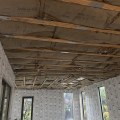
When it comes to creating a comfortable and energy-efficient home, R30 insulation plays a pivotal role. This type of insulation is designed to provide superior thermal resistance, making it an ideal choice for attics, walls, and floors in regions that experience significant temperature fluctuations. With an R-value of 30, it effectively minimizes heat transfer, ensuring that your home remains warm in the winter and cool in the summer. Understanding the importance of R30 insulation is essential for homeowners looking to enhance their living environment while also reducing energy costs.The significance of proper insulation installation cannot be overstated.
Insulation acts as a barrier against outside temperatures, helping to maintain a consistent indoor climate. This not only contributes to the comfort of your home but also plays a crucial role in energy efficiency. By investing in R30 insulation, homeowners can expect to see a reduction in their heating and cooling bills, as less energy is required to maintain desired temperatures. Furthermore, effective insulation can lead to a decrease in the workload on HVAC systems, potentially extending their lifespan.Beyond energy savings, R30 insulation offers additional benefits that enhance the overall quality of life within a home.
It can significantly reduce noise pollution from outside, creating a quieter and more peaceful living space. Additionally, proper insulation helps prevent moisture buildup, which can lead to mold growth and other structural issues over time. By choosing R30 insulation, homeowners are not only making a smart financial decision but also investing in the long-term health and comfort of their homes.
What is R30 Insulation?
R30 insulation is a specific type of thermal insulation that plays a crucial role in enhancing energy efficiency within buildings. It is characterized by its R-value of 30, which indicates its effectiveness in resisting heat flow.The higher the R-value, the better the insulation's ability to maintain a stable indoor temperature, making R30 insulation particularly suitable for regions with colder climates.Typically, R30 insulation is composed of materials such as fiberglass, mineral wool, or cellulose. Each of these materials has unique properties that contribute to their thermal resistance:
- Fiberglass: This is the most commonly used material for R30 insulation. It consists of tiny glass fibers that trap air, providing excellent thermal resistance. Fiberglass insulation is lightweight, non-combustible, and resistant to moisture, making it a popular choice for both residential and commercial applications.
- Mineral Wool: Also known as rock wool or slag wool, mineral wool is made from natural or recycled materials.
It offers superior soundproofing qualities in addition to thermal resistance. Mineral wool is also fire-resistant and does not promote mold growth, making it an excellent option for areas prone to moisture.
- Cellulose: This eco-friendly option is made from recycled paper products treated with fire retardants. Cellulose insulation is known for its ability to fill gaps and voids effectively, providing a tight seal against air leaks. It also has good sound-dampening properties.
It measures the material's resistance to heat flow; the higher the R-value, the more effective the insulation will be at preventing heat transfer. This is particularly important in maintaining comfortable indoor temperatures and reducing energy costs associated with heating and cooling systems.In summary, R30 insulation serves as a vital component in energy-efficient building practices. Understanding its composition and the significance of R-value can help homeowners and builders make informed decisions about insulation options that best suit their needs.
Types of R30 Insulation Materials
When considering R30 insulation, it is essential to understand the different materials available, as each offers unique properties, advantages, and disadvantages. The three most common types of R30 insulation materials are fiberglass, mineral wool, and cellulose.Below, we will explore each of these materials in detail.
Fiberglass Insulation
Fiberglass insulation is one of the most widely used types due to its affordability and effectiveness. It consists of tiny glass fibers that trap air, providing excellent thermal resistance.- Advantages:
- Cost-Effective: Fiberglass is generally less expensive than other insulation materials.
- Fire Resistant: It does not burn easily, making it a safe choice for many applications.
- Moisture Resistant: Fiberglass does not absorb moisture, which helps prevent mold growth.
- Disadvantages:
- Installation Challenges: Fiberglass can be irritating to the skin and lungs during installation, requiring protective gear.
- Settling Over Time: If not installed correctly, it may settle and lose effectiveness over time.
Mineral Wool Insulation
Mineral wool, also known as rock wool or stone wool, is made from natural or recycled materials. It offers excellent soundproofing qualities in addition to thermal resistance.- Advantages:
- Sound Absorption: Mineral wool is highly effective at reducing noise transmission.
- Fire Resistant: Like fiberglass, it is non-combustible and can withstand high temperatures.
- Water Resistant: It repels water and does not promote mold growth.
- Disadvantages:
- Higher Cost: Mineral wool tends to be more expensive than fiberglass insulation.
- Weight: It is heavier than other insulation types, which can complicate installation.
Cellulose Insulation
Cellulose insulation is made from recycled paper products treated with fire retardants. It is an eco-friendly option that provides good thermal performance.- Advantages:
- Sustainability: Being made from recycled materials makes cellulose a green choice for environmentally conscious homeowners.
- Air Barrier: Cellulose can fill gaps and voids effectively, reducing air leaks.
- Pest Resistant: Many cellulose products are treated to deter pests like rodents.
- Disadvantages:
- Slightly Higher Cost: While competitive, cellulose can be more expensive than fiberglass.
- Mold Risk: If not installed properly or if moisture accumulates, cellulose can be susceptible to mold growth.
Cost Analysis of R30 Insulation per Square Foot
When considering the cost of R30 insulation per square foot, it is essential to conduct a thorough cost analysis that encompasses various factors influencing pricing. per square foot, it is essential to conduct a thorough cost analysis that encompasses various factors influencing pricing.Understanding these elements can help homeowners and contractors make informed decisions regarding insulation installation.On average, the cost of R30 insulation ranges from $0.50 to $1.50 per square foot. This price typically includes both materials and labor, but it can fluctuate based on several key factors:
- Type of Insulation Material: The material chosen for R30 insulation significantly impacts the overall cost. Fiberglass insulation is generally the most economical option, while alternatives like mineral wool and cellulose may incur higher expenses due to their enhanced properties and performance.
- Installation Method: Whether you opt for professional installation or a DIY approach can also affect costs. Hiring a contractor may add labor charges, which can vary based on their experience and your location.
- Project Size: The total area requiring insulation plays a crucial role in determining the final cost.
Larger projects often benefit from bulk pricing on materials, potentially lowering the per-square-foot cost.
- Geographic Location: Costs can vary significantly depending on where you live. Areas with a higher cost of living may see increased prices for both materials and labor.
Factors Influencing the Cost of R30 Insulation Installation
When considering the installation of R30 insulation, several key factors can significantly influence the overall cost.Understanding these elements can help homeowners and contractors make informed decisions and budget effectively for their insulation projects.
Type of Material
The choice of insulation material is one of the most significant factors affecting cost. R30 insulation can be made from various materials, each with its own price point:- Fiberglass: This is the most commonly used material for R30 insulation due to its affordability and effectiveness. It typically ranges from $0.50 to $1.00 per square foot.
- Mineral Wool: Known for its fire-resistant properties, mineral wool is generally more expensive than fiberglass, costing between $1.00 and $1.50 per square foot.
- Cellulose: Made from recycled paper products, cellulose is an eco-friendly option that can also be pricier, often falling in the range of $1.00 to $1.75 per square foot.
Size of the Project
The scale of the insulation project plays a crucial role in determining costs. Larger areas require more materials and labor, which can lead to increased expenses:- Economies of Scale: While larger projects may have higher upfront costs, they often benefit from economies of scale, potentially lowering the cost per square foot.
- Complexity: If the installation area has many obstacles (like ductwork or plumbing), it may require additional labor and time, further increasing costs.
Labor Costs
The cost of labor can vary widely based on several factors:- Geographical Location: Labor rates differ significantly across regions.
Urban areas with a higher cost of living typically have higher labor rates compared to rural locations.
- Experience Level: Hiring experienced contractors may come at a premium but can ensure better installation quality, which is crucial for maximizing insulation effectiveness.
Geographical Location
Your location not only affects labor costs but also influences material availability and pricing:- Local Market Conditions: In areas where demand for insulation is high, prices may increase due to competition for materials and skilled labor.
- Climate Considerations: Regions with extreme weather conditions may have specific insulation requirements that could affect material choice and overall costs.
DIY vs. Professional Installation: What You Need to Know
When it comes to insulation installation, homeowners often face a critical decision: should they tackle the project themselves or hire a professional? Both options have their merits and drawbacks, and understanding these can help you make an informed choice that best suits your needs.DIY Insulation Installation
Opting for a DIY approach can be appealing for several reasons:- Cost Savings: One of the most significant advantages of DIY insulation installation is the potential for cost savings. By eliminating labor costs, you can significantly reduce the overall expense of your insulation project.
- Flexibility: DIY projects allow you to work at your own pace and schedule.
You can choose when to start and finish the job, making it easier to fit into your personal timetable.
- Learning Experience: Installing insulation yourself can be a valuable learning experience. It provides an opportunity to gain hands-on skills and knowledge about home improvement.
- Time-Consuming: Depending on the size of the area being insulated, DIY installation can be time-consuming. If you're not experienced, it may take longer than anticipated.
- Potential for Mistakes: Without professional training, there is a risk of making mistakes that could compromise the effectiveness of the insulation. Improper installation can lead to air leaks and reduced energy efficiency.
- Lack of Tools: Professional installers come equipped with specialized tools that may not be readily available to the average homeowner.
This could lead to additional costs if you need to rent or purchase equipment.
Professional Insulation Services
Hiring professionals for your R30 insulation installation offers its own set of advantages:- Expertise: Professional installers have the training and experience necessary to ensure that insulation is installed correctly. They understand local building codes and best practices, which can lead to better results.
- Efficiency: Professionals can typically complete the job more quickly than a DIYer, thanks to their experience and access to specialized tools. This means less disruption to your daily life.
- Warranty and Guarantees: Many professional services offer warranties on their work, providing peace of mind that any issues will be addressed without additional costs.
- Higher Costs: The most apparent downside is the increased cost associated with hiring professionals. Labor fees can significantly raise the total expense of your insulation project.
- Lack of Control: When you hire someone else, you may have less control over how the job is done.
This could lead to dissatisfaction if expectations are not met.
Energy Efficiency and Long-Term Savings with R30 Insulation
Investing in R30 insulation not only enhances the comfort of your home but also significantly contributes to energy efficiency and long-term savings on energy bills. Understanding the thermal resistance advantages of R30 insulation can help homeowners make informed decisions that benefit both their wallets and the environment.Energy Efficiency Benefits of R30 Insulation
R30 insulation is designed to provide superior thermal resistance, which is crucial for maintaining a stable indoor temperature. This level of insulation is particularly beneficial in regions with extreme temperatures, as it minimizes heat loss during winter and keeps your home cool in summer.
By effectively reducing the amount of heat that escapes or enters your home, R30 insulation allows your heating and cooling systems to operate more efficiently.When your HVAC system doesn’t have to work as hard to maintain a comfortable temperature, it consumes less energy. This reduction in energy consumption translates directly into lower utility bills. Homeowners can expect to see a noticeable decrease in their monthly energy expenses after installing R30 insulation.
Long-Term Savings on Energy Bills
While the initial investment in R30 insulation may seem significant, the long-term savings can be substantial. Studies have shown that homes with adequate insulation can save anywhere from 10% to 50% on heating and cooling costs annually.
Over time, these savings can offset the installation costs, making R30 insulation a wise financial decision.Additionally, many utility companies offer rebates or incentives for homeowners who upgrade their insulation. This can further reduce the upfront costs associated with installation, enhancing the overall return on investment.
Thermal Resistance Advantages
The R-value of insulation measures its ability to resist heat flow; the higher the R-value, the better the insulation's effectiveness. R30 insulation provides excellent thermal resistance, making it ideal for attics and ceilings where heat loss is most prevalent. By creating a barrier against heat transfer, R30 insulation helps maintain a consistent indoor climate, reducing reliance on heating and cooling systems.In conclusion, investing in R30 insulation not only improves energy efficiency but also leads to significant long-term savings on energy bills.
With its superior thermal resistance capabilities, R30 insulation is an essential component for any homeowner looking to enhance comfort while minimizing energy costs.
Common Mistakes to Avoid During Insulation Installation
When it comes to insulation installation, many homeowners embark on the project with enthusiasm, only to encounter common pitfalls that can compromise the effectiveness of their efforts. Understanding these mistakes is crucial for achieving optimal results, especially when working with R30 insulation. Here are some of the most frequent errors to avoid:- Inadequate Preparation: One of the first steps in any insulation project is proper preparation. Failing to clear the area of debris, dust, and old insulation can hinder the performance of new materials.
Ensure that the space is clean and dry before beginning installation.
- Ignoring Safety Precautions: Insulation materials, particularly fiberglass, can pose health risks if proper safety gear is not used. Always wear gloves, goggles, and a mask to protect yourself from irritation and inhalation of particles.
- Incorrect Measurements: Accurate measurements are vital for effective insulation installation. Miscalculating the dimensions of the area can lead to purchasing insufficient materials or wasting resources on excess. Always double-check your measurements before cutting insulation.
- Improper Cutting Techniques: When cutting R30 insulation, using the wrong tools or techniques can result in jagged edges that do not fit snugly into spaces.
Use a sharp utility knife and a straight edge for clean cuts, ensuring a tight fit that minimizes air gaps.
- Neglecting Air Sealing: Before installing insulation, it’s essential to seal any air leaks in the building envelope. Gaps around windows, doors, and other penetrations can significantly reduce the effectiveness of your insulation. Use caulk or spray foam to seal these areas before proceeding.
- Overstuffing Insulation: While it may seem beneficial to pack insulation tightly into cavities, overstuffing can compress the material and reduce its R-value. Follow manufacturer guidelines for proper installation density to maintain thermal resistance.
- Failing to Ventilate: Proper ventilation is crucial in areas like attics where R30 insulation is commonly installed.
Without adequate airflow, moisture can accumulate, leading to mold growth and structural damage. Ensure that vents are not blocked by insulation materials.
Frequently Asked Questions about R30 Insulation Costs and Installation
When considering R30 insulation, homeowners often have numerous questions regarding its costs and installation processes. Below are some of the most frequently asked questions that can help clarify these concerns.What is the average cost of R30 insulation per square foot?
The average cost for R30 insulation typically ranges from $0.50 to $1.50 per square foot.This price can fluctuate based on various factors, including the type of insulation material chosen, the size of the area being insulated, and local labor rates.
What factors influence the cost of R30 insulation?
- Material Type: Different materials such as fiberglass, mineral wool, and cellulose have varying costs. Fiberglass is generally the most economical option.
- Project Size: Larger projects will naturally incur higher costs due to increased material and labor requirements.
- Location: Costs can vary significantly based on geographic location and local market conditions.
Is it worth hiring a professional for installation?
While DIY installation can save money, hiring a professional is often recommended for optimal results. Professionals ensure that insulation is installed correctly, minimizing gaps and air leaks that could compromise energy efficiency.How long does it take to install R30 insulation?
The installation time for R30 insulation can vary based on the size of the project and whether you are doing it yourself or hiring a contractor. Generally, a professional team can complete the installation in a day or two for an average-sized home.Can I install R30 insulation myself?
Yes, homeowners can install R30 insulation themselves if they have the right tools and knowledge.However, it is crucial to follow safety guidelines and manufacturer instructions to ensure effective installation.
What are the benefits of R30 insulation?
- Energy Efficiency: R30 insulation significantly reduces heat transfer, leading to lower energy bills.
- Comfort: Proper insulation helps maintain consistent indoor temperatures, enhancing overall comfort.
- Noise Reduction: Insulation also acts as a sound barrier, reducing noise pollution from outside.
Conclusion: Making Informed Decisions on R30 Insulation Installation Costs
In summary, understanding the costs associated with R30 insulation installation is crucial for homeowners and contractors alike. Throughout this guide, we have explored various aspects that influence the overall expense, including material types, project size, and geographical location. By grasping these factors, you can make informed decisions that align with your budget and insulation needs.One of the primary takeaways is the significant variation in costs based on the type of insulation material chosen. While fiberglass remains the most economical option, alternatives like mineral wool and cellulose offer unique benefits that may justify their higher price points.It’s essential to weigh these options against your specific requirements, such as climate conditions and energy efficiency goals.The size of your insulation project also plays a pivotal role in determining costs. Larger areas will naturally require more materials and labor, which can lead to increased expenses. However, it’s worth noting that many contractors offer discounts for larger projects, which can help mitigate some of these costs.Your location cannot be overlooked when estimating R30 insulation costs. Areas with a higher cost of living typically see elevated prices for both materials and labor.
Therefore, it’s advisable to obtain multiple quotes from local contractors to ensure you’re getting a fair deal.Moreover, while cost is a significant factor, it should not be the sole consideration in your decision-making process. The effectiveness of insulation largely depends on proper installation. Poorly installed insulation can lead to air leaks and reduced thermal performance, ultimately increasing your energy bills over time. Therefore, investing in professional installation services may save you money in the long run.In conclusion, making informed decisions regarding R30 insulation installation costs involves a comprehensive understanding of various influencing factors.
By considering material types, project size, location, and installation quality, you can ensure that your investment in insulation not only fits your budget but also meets your long-term energy efficiency goals.