When it comes to enhancing the energy efficiency of your home, insulation installation is a critical component that can lead to significant savings on energy bills and improved comfort. However, the allure of saving money by opting for a DIY approach can often overshadow the inherent risks associated with this task. While the idea of rolling up your sleeves and tackling insulation installation yourself may seem appealing, it is essential to recognize the potential dangers that come with it. Many homeowners underestimate the complexities involved in properly installing insulation. From selecting the right materials to ensuring that they are applied correctly, the process requires a level of expertise that most DIY enthusiasts may not possess.
The risks associated with improper installation can range from minor inconveniences, such as drafts and uneven temperatures, to severe consequences like structural damage and health hazards. Understanding these risks is crucial for anyone considering a DIY insulation project. Moreover, professional insulation installers bring not only experience but also specialized tools and knowledge that can make a significant difference in the outcome of the project. They are trained to identify potential issues within your home’s structure that may not be immediately apparent to an untrained eye. By choosing professional insulation installation, you not only mitigate the risks associated with DIY efforts but also ensure that your home is adequately protected against energy loss and other related problems. In this article, we will delve deeper into the various risks linked to DIY insulation installation, highlighting why enlisting the help of professionals is often the safer and more effective choice.
By understanding these factors, homeowners can make informed decisions that prioritize both safety and efficiency in their homes.
Understanding Insulation: Types and Their Applications
When it comes to insulation installation, understanding the various types of insulation materials available is crucial for making informed decisions. Each type of insulation has its unique properties, applications, and benefits, which can significantly impact the energy efficiency and comfort of your home.Fiberglass Insulation
Fiberglass insulation is one of the most commonly used materials in residential and commercial buildings. It consists of tiny glass fibers that trap air, providing excellent thermal resistance. This type of insulation is available in batts, rolls, and loose-fill forms, making it versatile for different applications.- Applications: Ideal for attics, walls, and floors.
- Benefits: Non-combustible, resistant to moisture, and cost-effective.
Cellulose Insulation
Made from recycled paper products, cellulose insulation is an eco-friendly option that offers good thermal performance.Made from recycled paper products, cellulose insulation is an eco-friendly option that offers good thermal performance.It is typically installed as loose-fill material, which can be blown into attics or wall cavities.
- Applications: Suitable for retrofitting existing homes and filling irregular spaces.
- Benefits: High recycled content, effective at reducing air leaks, and provides soundproofing qualities.
Spray Foam Insulation
Spray foam insulation is a modern solution that expands upon application to fill gaps and cracks. It creates an airtight seal that enhances energy efficiency significantly.- Applications: Best for hard-to-reach areas like attics, crawl spaces, and around windows and doors.
- Benefits: Superior air sealing properties, high R-value per inch, and moisture barrier capabilities.
Rigid Foam Insulation
This type of insulation comes in large panels made from polystyrene or polyisocyanurate. Rigid foam is known for its high insulating value relative to thickness.- Applications: Commonly used in foundation walls, basement walls, and exterior sheathing.
- Benefits: Lightweight, moisture-resistant, and provides excellent thermal performance.
Common Risks Associated with DIY Insulation Installation
When considering DIY insulation installation, it is crucial to recognize the various risks that accompany this seemingly straightforward task.While the allure of saving money is tempting, the potential dangers can far outweigh the benefits. Below are some of the most significant risks associated with installing insulation yourself.
Health Hazards from Exposure to Insulation Materials
One of the primary concerns when handling insulation materials is the health risks posed by exposure. Many insulation products, such as fiberglass and cellulose, can release fine particles into the air during installation. These particles can irritate the respiratory system, leading to symptoms such as:- Coughing
- Shortness of breath
- Throat irritation
- Skin rashes
- Eye irritation
The tiny glass fibers can become airborne and penetrate the skin or lungs, leading to long-term health issues. Therefore, it is essential to wear appropriate personal protective equipment (PPE), including masks, goggles, and gloves, to minimize these risks.
Physical Injuries During Installation
The physical demands of insulation installation can also lead to injuries. Common hazards include:- Falls: Working in attics or on ladders increases the risk of falls, which can result in serious injuries.
- Cuts and Scrapes: Handling sharp materials or tools can lead to cuts and scrapes.
- Muscle Strain: Lifting heavy rolls or bags of insulation can cause muscle strains or back injuries.
Long-Term Damage to Your Home
Improperly installed insulation can have lasting effects on your home’s structure and energy efficiency. For instance:- Mold Growth: If insulation is not installed correctly, it may trap moisture, creating an environment conducive to mold growth.
This not only affects air quality but can also lead to significant structural damage over time.
- Pest Infestations: Gaps in insulation can allow pests to enter your home, leading to infestations that are costly and difficult to eradicate.
- Inefficient Energy Use: Poorly installed insulation may fail to provide adequate thermal resistance, resulting in higher energy bills as your heating and cooling systems work harder to maintain comfortable temperatures.
Health Hazards Linked to Insulation Materials
When considering insulation installation, it is crucial to be aware of the potential health hazards associated with various insulation materials. Different types of insulation can pose unique risks, particularly during installation and if not handled properly.Cellulose Insulation Dangers
Cellulose insulation, made from recycled paper products, is often praised for its eco-friendliness.
However, it can also present significant health risks. During installation, cellulose can create a fine dust that may irritate the respiratory system. Symptoms such as coughing, sneezing, and shortness of breath are common among those who are exposed to this dust without adequate protection. Furthermore, cellulose insulation can absorb moisture, leading to mold growth if not installed correctly.
Mold spores can trigger allergic reactions and respiratory issues, making it essential to wear a mask and goggles when handling this material.
Fiberglass Insulation Health Effects
Fiberglass insulation is another popular choice for homeowners, but it comes with its own set of health concerns. The tiny glass fibers in fiberglass can become airborne during installation, posing a risk of inhalation. Exposure to these fibers can lead to skin irritation, respiratory problems, and even long-term lung damage if proper precautions are not taken. It is vital to wear protective clothing, gloves, and a mask when working with fiberglass insulation to minimize these risks.
General Precautions
Regardless of the type of insulation being installed, taking safety precautions is paramount.
Here are some essential tips:
- Always wear protective gear: This includes gloves, masks, goggles, and long-sleeved clothing to protect your skin from irritation.
- Work in well-ventilated areas: Ensure that the space where you are installing insulation is adequately ventilated to reduce the concentration of airborne particles.
- Be aware of symptoms: If you experience any irritation or discomfort while installing insulation, stop immediately and seek fresh air.
The Importance of Proper Installation Techniques
When it comes to insulation installation, the techniques employed can significantly impact the effectiveness and safety of the insulation. Proper installation is not just about placing the material in the right spot; it involves a comprehensive understanding of the product, the environment, and the specific requirements of your home.Understanding Different Types of Insulation
- Fiberglass Insulation: This is one of the most common types used in residential settings. It requires careful handling to avoid skin irritation and respiratory issues.
When installing fiberglass batts, it’s crucial to ensure they fit snugly between studs without compression, as this can reduce their effectiveness.
- Cellulose Insulation: Often blown into attics or walls, cellulose requires specialized equipment for proper installation. Professionals are trained to achieve the right density and coverage, preventing gaps that can lead to energy loss.
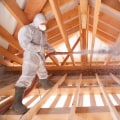
- Spray Foam Insulation: This type expands upon application and creates an airtight seal. However, it requires precise application techniques and protective gear due to its chemical composition. Improper installation can lead to off-gassing and health risks.
Key Techniques for Proper Installation
- Preparation: Before any insulation is installed, it’s essential to prepare the area by sealing any air leaks and ensuring that surfaces are clean and dry.
This step is often overlooked by DIYers but is critical for maximizing insulation performance.
- Correct Measurement: Accurate measurements are vital. Professionals use tools like thermal imaging cameras to identify areas needing insulation and ensure that materials are cut to fit perfectly.
- Layering Techniques: For certain types of insulation, layering can enhance thermal performance. Professionals understand how to layer materials effectively without compromising airflow or creating moisture traps.
- Ventilation Considerations: Proper ventilation is crucial when installing insulation, especially in attics. Professionals know how to balance insulation with ventilation needs to prevent moisture buildup that can lead to mold growth.
Professionals are equipped with knowledge about local building codes, safety regulations, and best practices that ensure a job well done. While DIY projects can be rewarding, the risks associated with improper installation techniques can lead to costly repairs down the line.In conclusion, understanding proper insulation installation techniques is essential for achieving optimal energy efficiency and safety in your home. Whether you choose to hire a professional or attempt a DIY project, being informed about the correct methods will help you make better decisions for your insulation needs.
Cost Considerations: DIY vs Professional Installation
When considering insulation installation, one of the most significant factors to evaluate is the cost. Many homeowners are tempted to take on DIY insulation projects to save money, but this approach can often lead to unexpected expenses that may outweigh the initial savings.To begin with, the upfront costs of DIY insulation can appear appealing.Home improvement stores offer a variety of insulation materials at competitive prices, and many DIY kits are marketed as user-friendly. However, it’s essential to consider the hidden costs that can arise from mistakes made during the installation process.
- Equipment Rental or Purchase: While you may save on labor costs by doing it yourself, you might need to rent or buy specialized equipment for proper installation. For example, blow-in insulation requires a machine that can be rented for a fee. Additionally, personal protective equipment (PPE) such as masks and goggles is necessary for safety.
- Material Waste: Inexperienced installers often miscalculate the amount of insulation needed, leading to excess material that goes unused.
This waste not only increases costs but also contributes to environmental concerns.
- Potential Damage: Improper installation can result in damage to your home. For instance, if insulation is packed too tightly or incorrectly placed, it can lead to moisture buildup and mold growth, necessitating costly repairs.
They can also identify underlying issues in your home’s structure that may need addressing before insulation is installed.In conclusion, while DIY insulation projects may seem like a cost-effective solution at first glance, they can lead to hidden expenses that make professional installation a more prudent choice in the long run. Evaluating both options carefully will help you make an informed decision that balances cost with quality and safety.
Long-Term Consequences of Improper Insulation Installation
Improper insulation installation can lead to a myriad of long-term consequences that extend far beyond immediate discomfort. Understanding these potential issues is crucial for homeowners considering DIY insulation projects.Energy Inefficiency
One of the most significant long-term effects of poor insulation installation is energy inefficiency. When insulation is not installed correctly, it can create gaps and voids that allow air to escape or enter the home.
This results in increased energy consumption as heating and cooling systems work harder to maintain a comfortable temperature. Over time, this inefficiency can lead to skyrocketing utility bills, which can strain household budgets.
Structural Damage
Another serious consequence of improper insulation is structural damage. Insulation that is not adequately installed can trap moisture within walls and ceilings, leading to mold growth and wood rot. This not only compromises the integrity of the building materials but can also result in costly repairs.
For instance, if moisture accumulates in the attic due to poorly installed insulation, it can lead to sagging ceilings and damaged rafters.
Health Hazards
The presence of mold and mildew due to inadequate insulation can pose significant health risks to occupants. Prolonged exposure to mold spores can lead to respiratory issues, allergies, and other health complications. Homeowners may find themselves facing medical expenses as a result of these health hazards, further emphasizing the importance of proper insulation installation.
Decreased Property Value
Homes with improper insulation may also suffer from decreased property value. Potential buyers are often wary of homes that exhibit signs of energy inefficiency or structural damage.
If a home inspection reveals issues related to insulation, it could deter buyers or lead to lower offers, ultimately affecting the homeowner's return on investment.
Increased Maintenance Costs
Lastly, the long-term consequences of bad insulation installation often manifest as increased maintenance costs. Homeowners may find themselves frequently repairing or replacing HVAC systems, addressing mold issues, or even undertaking major renovations due to structural damage. These ongoing expenses can add up significantly over time, making it clear that investing in professional insulation installation is a more prudent choice.In summary, while DIY insulation installation may seem like a cost-effective solution initially, the potential long-term consequences—ranging from energy inefficiency and structural damage to health hazards—underscore the importance of hiring professionals for this critical home improvement task.
When to Call a Professional: Signs You Need Help with Insulation Installation
Determining when to call in a professional for insulation installation can be crucial for ensuring the safety and efficiency of your home. While some homeowners may feel confident tackling insulation projects on their own, there are specific signs that indicate it’s time to seek expert assistance.Here are several indicators that suggest you should hire a professional:
- Persistent Drafts: If you notice cold drafts in your home, especially during winter months, it may indicate that your insulation is inadequate or improperly installed. A professional can assess the situation and recommend the best course of action.
- High Energy Bills: Unexplained spikes in your energy bills can signal poor insulation. If your heating and cooling systems are working overtime due to insufficient insulation, a contractor can help identify and rectify the issue.
- Mold or Moisture Issues: The presence of mold or excessive moisture in your attic or walls is a clear sign that your insulation may not be performing as it should. Professionals can evaluate the situation and provide solutions that prevent further damage.
- Old or Damaged Insulation: If your home has older insulation materials, such as fiberglass batts or outdated foam, it may be time for an upgrade.
A professional can recommend modern materials that offer better performance and energy efficiency.
- Unusual Temperature Fluctuations: If certain rooms in your home are significantly warmer or cooler than others, this inconsistency could be due to improper insulation. A professional can conduct a thorough inspection to pinpoint the problem areas.
- Health Concerns: If you or your family members experience respiratory issues, allergies, or other health problems that could be linked to insulation materials, it’s essential to consult with a professional who understands the health implications of various insulation types.
- Lack of Experience: If you’re unsure about how to properly install insulation or lack the necessary tools and equipment, it’s best to leave the job to professionals who have the expertise and resources to do it right.
Frequently Asked Questions About DIY Insulation Installation Risks
When considering DIY insulation installation, many homeowners have questions about the associated risks and whether they should tackle the project themselves or hire a professional. Below are some frequently asked questions that can help clarify these concerns.What are the main risks of DIY insulation installation?
The primary risks include:- Health Hazards: Exposure to insulation materials, especially fiberglass and cellulose, can lead to respiratory issues, skin irritation, and eye damage if proper protective gear is not used.
- Improper Installation: Without the right knowledge and experience, you may install insulation incorrectly, leading to gaps that reduce its effectiveness and potentially cause energy loss.
- Structural Damage: Incorrectly installed insulation can trap moisture, leading to mold growth and structural damage over time.
Can I save money by installing insulation myself?
While DIY projects can sometimes save money, the potential costs of mistakes can outweigh initial savings.If insulation is not installed correctly, you may face higher energy bills or costly repairs down the line. Additionally, purchasing necessary equipment and protective gear can add to your expenses.
What types of insulation are safe for DIY installation?
Some types of insulation are more suitable for DIY projects than others. For example:- Batts and Rolls: These are relatively easy to install in open spaces like attics or between wall studs.
- Blown-In Insulation: While this can be a DIY option, it requires specialized equipment and safety precautions.
How do I know if I need professional help?
If you are unsure about your ability to safely and effectively install insulation, or if your home has unique challenges (like high ceilings or difficult access areas), it’s wise to consult a professional. They can assess your home’s needs and ensure that the installation meets local building codes.Ultimately, while DIY insulation installation may seem appealing, understanding the risks involved is crucial for making an informed decision that protects both your health and your home.Conclusion: The Case for Professional Insulation Installation
In conclusion, while the allure of DIY insulation installation may seem appealing due to potential cost savings, the risks associated with this endeavor far outweigh the benefits.As we have explored throughout this article, improper installation can lead to a myriad of issues that not only compromise the effectiveness of your insulation but also pose significant health and safety hazards.One of the most pressing concerns is the potential for exposure to harmful materials. Many insulation products, such as fiberglass and cellulose, can cause irritation to the skin, eyes, and respiratory system if not handled correctly. Without proper protective gear and knowledge of safe handling practices, DIY enthusiasts may inadvertently expose themselves and their families to these risks.Moreover, the technical aspects of insulation installation require a level of expertise that most homeowners simply do not possess. Factors such as the type of insulation material, the specific requirements for different areas of the home, and local building codes must all be taken into account.
A professional contractor brings not only experience but also access to specialized tools and equipment that are essential for a successful installation.Additionally, consider the long-term implications of a poorly executed DIY project. Inadequate insulation can lead to increased energy costs, uncomfortable living conditions, and even structural damage over time. A professional assessment can identify underlying issues that may not be immediately apparent, ensuring that your home is both energy-efficient and safe.Ultimately, investing in professional insulation installation is an investment in your home’s future. It provides peace of mind knowing that the job has been done correctly and safely.
By opting for expert help, you not only protect your health but also enhance your home’s value and comfort.In summary, while DIY projects can be rewarding in many areas of home improvement, insulation installation is one task best left to professionals. The risks involved are significant enough to warrant careful consideration and should guide homeowners toward making informed decisions for their living spaces.