Insulation is a critical component of any home, serving as a barrier against heat loss in the winter and heat gain in the summer. By effectively managing temperature fluctuations, insulation plays a vital role in enhancing energy efficiency and reducing overall energy consumption. This not only leads to lower utility bills but also contributes to a more sustainable environment by minimizing the carbon footprint associated with heating and cooling.The importance of insulation extends beyond mere energy savings; it significantly impacts the comfort level within a home. Properly insulated spaces maintain consistent temperatures, preventing drafts and cold spots that can make living areas uncomfortable.
Furthermore, insulation can also help reduce noise pollution from outside, creating a more serene indoor environment. Homeowners often overlook these benefits, focusing solely on the financial aspects of insulation installation.In addition to comfort and energy efficiency, insulation can enhance the overall value of a property. Homes equipped with high-quality insulation are often more attractive to potential buyers, as they signify lower long-term operating costs and improved living conditions. As energy prices continue to rise, the demand for well-insulated homes is likely to increase, making insulation an essential investment for homeowners looking to improve their property’s marketability.Understanding the various types of insulation available and their respective benefits is crucial for making informed decisions about insulation installation.
From fiberglass batts to spray foam and cellulose options, each type offers unique advantages that cater to different needs and budgets. As we delve deeper into the costs associated with insulating 100 square feet, it’s essential to recognize how these factors intertwine with the broader implications of energy efficiency and home comfort.
Factors Influencing the Cost of Insulation Installation
When considering the cost of insulation installation for 100 square feet, several key factors come into play that can significantly influence the overall price. Understanding these factors can help homeowners make informed decisions and budget effectively for their insulation projects.1.Type of Insulation Material
- Fiberglass Insulation: This is one of the most common and cost-effective options available. It typically ranges from $0.50 to $2.00 per square foot, depending on whether it’s batts, rolls, or blown-in.
- Foam Board Insulation: Rigid foam boards can cost between $1.00 and $3.00 per square foot.
They offer high R-values and are ideal for areas requiring moisture resistance.
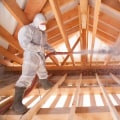
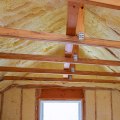
- Spray Foam Insulation: While this option is more expensive, ranging from $2.50 to $7.00 per square foot, it provides superior air sealing and insulation properties.
- Cellulose Insulation: Made from recycled paper products, cellulose is an eco-friendly option that costs about $0.90 to $2.00 per square foot.
2.Labor Costs
The cost of labor can vary widely based on location, the complexity of the installation, and the contractor's experience. On average, labor costs can range from $1.00 to $3.00 per square foot. Hiring a professional installer ensures that the job is done correctly and efficiently, which can save money in the long run by maximizing energy efficiency.
3.Preparation Requirements
Before installation begins, it’s crucial to prepare the area properly. This may involve:
- Removing old insulation, which can add to labor costs.
- Sealing air leaks or repairing any damage in the area to be insulated.
- Ensuring proper ventilation in attics or crawl spaces to prevent moisture buildup.
4.R-Value Requirements
The R-value, which measures thermal resistance, plays a significant role in determining insulation costs.
Higher R-values typically mean higher prices due to increased material quality and performance capabilities needed for specific climates.By considering these factors—material type, labor costs, preparation requirements, and R-value needs—homeowners can better understand the insulation pricing landscape and make choices that align with their budget and energy efficiency goals.
Types of Insulation: A Comprehensive Overview
When considering insulation installation, understanding the various types of insulation available is crucial for making an informed decision. Each type has its unique properties, costs, and ideal applications. Below is a comprehensive overview of the most common insulation materials.1.Fiberglass Insulation
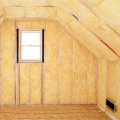
Fiberglass insulation is one of the most widely used types due to its affordability and effectiveness. It consists of fine glass fibers and is available in batts, rolls, or loose-fill forms.The cost typically ranges from $0.50 to $2.00 per square foot, depending on the thickness and R-value.
- Benefits: Excellent thermal resistance, fire-resistant, and non-combustible.
- Ideal Applications: Walls, attics, and floors in both new constructions and retrofits.
2.Foam Insulation
Foam insulation comes in various forms, including rigid foam boards and spray foam. It is known for its superior insulating properties and air-sealing capabilities. The cost for foam insulation can range from $1.00 to $3.50 per square foot.- Benefits: High R-value per inch, moisture-resistant, and provides excellent air sealing.
- Ideal Applications: Unvented attics, crawl spaces, and areas requiring high moisture resistance.
3.Spray Foam Insulation
Spray foam insulation is a type of foam insulation that expands upon application, filling gaps and creating an airtight seal. This method can cost between $1.50 to $4.00 per square foot but offers significant energy savings over time.- Benefits: Exceptional air barrier properties, reduces noise transmission, and prevents mold growth.
- Ideal Applications: Attics, walls, and any irregularly shaped spaces where traditional insulation may not fit well.
Each material has its advantages and specific applications that can cater to your unique needs.
Understanding R-Value and Its Impact on Cost
When considering insulation for your home, understanding R-value is crucial. R-value is a measure of thermal resistance, indicating how well a material can resist heat flow. The higher the R-value, the better the insulation's effectiveness in maintaining a stable indoor temperature, which can significantly impact both comfort and energy costs.R-value is influenced by several factors, including the type of insulation material, its thickness, and density. For instance, fiberglass insulation typically has an R-value ranging from 2.9 to 4.3 per inch of thickness, while spray foam insulation can achieve R-values between 5.0 and 6.5 per inch.This variance means that while some materials may have a higher upfront cost, they can offer greater long-term savings on energy bills due to their superior insulating properties.
How R-Value Affects Cost
The relationship between R-value and cost is not linear; higher R-values often come with increased material costs. For example, if you are insulating 100 square feet with fiberglass batts at an R-value of 13, you might spend around $0.50 to $1.00 per square foot. In contrast, opting for spray foam insulation with an R-value of 30 could cost you between $1.50 and $3.00 per square foot.While the initial investment for high-R-value insulation may be steeper, it’s essential to consider the long-term benefits:- Energy Savings: Higher R-values can lead to lower heating and cooling costs over time.
- Comfort: Improved thermal resistance helps maintain consistent indoor temperatures.
- Environmental Impact: Reducing energy consumption contributes to lower carbon emissions.
By investing in higher R-value options, homeowners can achieve better energy efficiency and comfort in their living spaces.
Calculating the Cost to Insulate 100 Square Feet
When it comes to determining the cost to insulate 100 square feet , a systematic approach is essential. This process involves evaluating various factors, including the type of insulation, labor costs, and any additional expenses that may arise during installation. Here’s a step-by-step guide to help you calculate the total cost effectively.- Identify the Type of Insulation: The first step is to choose the type of insulation you want to use. Common options include:
- Fiberglass Batts: Typically ranges from $0.50 to $1.50 per square foot.
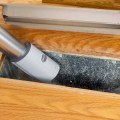
- Blown-In Fiberglass: Costs about $1.00 to $2.00 per square foot.
- Spray Foam: Generally more expensive, ranging from $1.50 to $3.00 per square foot.
- Rigid Foam Board: Costs between $1.00 and $2.50 per square foot.
For example, if you choose blown-in fiberglass at $1.50 per square foot, your material cost would be:
- $1.50 x 100 = $150
- $1.00 x 100 = $100
- Preparation and cleanup: This can add another $50 to $100 depending on the condition of the area.
- Disposal fees for old insulation: If applicable, this could range from $20 to $50.
- Material Cost: $150
- Labor Cost: $100
- Additional Expenses: $75 (average)
Preparing Your Home for Insulation Installation
Before embarking on the journey of insulation installation, it is crucial to prepare your home adequately.Proper preparation not only ensures a smoother installation process but also enhances the effectiveness of the insulation itself. Here are some essential steps to consider:
- Inspect for Existing Issues: Before any insulation is added, conduct a thorough inspection of your home. Look for signs of water damagewater damage, mold, or mildew. These issues can compromise the integrity of your insulation and lead to further problems down the line.
- Address Water Damage: If you discover any water damage, it is imperative to resolve these issues before proceeding with insulation.
This may involve repairing leaks, replacing damaged roofing or siding, and ensuring proper drainage around your home.
- Mold Remediation: If mold is present, it must be professionally removed. Mold can not only affect the performance of your insulation but also pose health risks to you and your family.
- Clear the Installation Area: Ensure that the areas where insulation will be installed are clear of furniture, debris, and other obstacles. This will facilitate easier access for contractors and help them work more efficiently.
- Seal Gaps and Cracks: Before installation, inspect your home for any gaps or cracks in walls, floors, and ceilings. Sealing these openings can prevent air leaks and improve the overall effectiveness of your insulation.
- Consider Ventilation Needs: Proper ventilation is essential in areas like attics and crawl spaces.
Ensure that vents are not blocked and that there is adequate airflow to prevent moisture buildup.
Choosing the Right Insulation for Your Home
When it comes to choosing insulation for your home, the decision can significantly impact your energy efficiency, comfort, and overall living environment. With various types of insulation available, understanding the specific needs of your home and the climate in which you live is crucial.Assessing Your Home's Needs
- Identify Problem Areas: Start by evaluating areas in your home that may require insulation.
Common spots include attics, basements, walls, and crawl spaces. Look for drafts, uneven temperatures, or high energy bills as indicators of inadequate insulation.
- Consider Your Climate: The type of insulation you choose should align with your local climate. For instance, homes in colder regions may benefit from higher R-value insulation to retain heat, while those in warmer climates might prioritize reflective insulation to keep spaces cool.
Types of Insulation
There are several types of insulation to consider:
- Fiberglass Insulation: This is one of the most common types and is available in batts or blown-in forms. It offers good thermal resistance and is relatively affordable.
- Foam Board Insulation: Rigid foam boards provide excellent thermal resistance and are ideal for basement walls and exterior walls.
- Spray Foam Insulation: This type expands on application, filling gaps and cracks effectively.
It provides a high R-value and acts as an air barrier.
- Cellulose Insulation: Made from recycled paper products, cellulose is an eco-friendly option that can be blown into walls and attics.
Consulting Professionals
While DIY options exist, consulting with a professional insulation contractor can provide invaluable insights tailored to your specific situation. They can assess your home’s unique characteristics and recommend the best insulation solutions based on factors such as:
- The existing structure of your home
- Your budget constraints
- The desired energy efficiency goals
Common Mistakes to Avoid During Insulation Installation
When it comes to insulation installation, even the most well-intentioned homeowners can make mistakes that compromise the effectiveness of their efforts.Understanding these common errors can help you avoid costly setbacks and ensure that your insulation performs as intended. Here are some frequent pitfalls to watch out for:
- Neglecting to Assess Existing Conditions: Before installing new insulation, it’s crucial to evaluate the current state of your home. Look for signs of moisture, mold, or damage that could affect the performance of your new insulation. Addressing these issues beforehand can save you from future headaches.
- Choosing the Wrong Type of Insulation: Not all insulation is created equal.
Different areas of your home may require specific types of insulation based on factors like climate, R-value needs, and space constraints. For instance, using fiberglass batts in a damp basement may not be ideal. Consult with a professional to determine the best fit for each area.
- Improper Installation Techniques: Many homeowners underestimate the importance of proper installation techniques. For example, leaving gaps or compressing insulation can significantly reduce its effectiveness.
Ensure that insulation is installed snugly without any voids or compression to maintain its thermal resistance.
- Ignoring Air Sealing: Insulation alone cannot prevent air leaks. Failing to seal gaps around windows, doors, and other penetrations can lead to drafts and energy loss. Use caulk or spray foam to seal these areas before installing insulation for optimal results.
- Overlooking Ventilation Needs: Proper ventilation is essential in areas like attics and crawl spaces to prevent moisture buildup and maintain air quality. Installing insulation without considering ventilation can lead to condensation issues and mold growth.
Make sure to incorporate adequate ventilation solutions in your insulation plan.
- Not Following Manufacturer Guidelines: Each type of insulation comes with specific installation instructions provided by the manufacturer. Ignoring these guidelines can lead to improper installation and reduced performance. Always read and follow the instructions carefully.
Conclusion: Making Informed Decisions About Insulation Installation Costs
In summary, understanding the cost of insulation installation for 100 square feet is crucial for homeowners looking to enhance their living spaces.The decision to insulate is not merely about the upfront costs; it encompasses a range of factors that can significantly impact both immediate expenses and long-term savings.Throughout this article, we have explored various types of insulation materials, including fiberglass, rigid foam, and spray foam, each with its unique benefits and price points. The choice of insulation should align with your specific needs, climate conditions, and the areas of your home that require attention. For instance, while spray foam may come with a higher initial cost, its superior air sealing properties can lead to substantial energy savings over time.Moreover, the R-value plays a pivotal role in determining the effectiveness of insulation. Higher R-values are essential in colder climates where heat retention is a priority.
Conversely, in warmer regions, reflective insulation may be more beneficial. Understanding these nuances can help you make informed decisions that suit your environment.Another critical aspect to consider is the condition of your home prior to installation. Addressing any existing issues such as mold or water damage is vital to ensure that your new insulation performs optimally. Engaging a professional contractor can provide insights into necessary repairs and the best insulation solutions tailored to your home.Ultimately, investing in quality insulation not only enhances comfort but also contributes to energy efficiency and sustainability.
By carefully evaluating your options and consulting with experts, you can navigate the complexities of insulation installation costs effectively. This informed approach will empower you to make choices that benefit both your wallet and the environment.