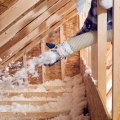
Insulation installation is a critical component of any home improvement project, playing a vital role in enhancing energy efficiency and ensuring comfort throughout the year. Proper insulation acts as a barrier against heat loss in the winter and heat gain in the summer, which can significantly reduce energy consumption and lower utility bills. Understanding what insulation is and the various types available is essential for homeowners looking to optimize their living spaces. At its core, insulation is a material that slows down the transfer of heat. It can be found in various forms, including batts, rolls, foam boards, and spray foam.
Each type has its unique properties and applications, making it crucial to choose the right one for your specific needs. For instance, fiberglass insulation is popular for its affordability and effectiveness, while spray foam offers superior air sealing capabilities. Knowing the differences between these materials can help you make informed decisions about your insulation installation. As you consider whether to undertake a DIY insulation project or hire a professional, it's important to recognize that the quality of installation directly impacts performance. Poorly installed insulation can lead to drafts, moisture issues, and ultimately higher energy costs.
Therefore, understanding the nuances of insulation installation not only prepares you for the task at hand but also sets the stage for a successful outcome that enhances your home's overall efficiency and comfort.
The Benefits of DIY Insulation Installation
Embarking on a DIY insulation installation project can be a rewarding experience, offering numerous benefits that extend beyond mere cost savings. Understanding these advantages can help homeowners make informed decisions about whether to tackle insulation installation themselves.Cost Savings
One of the most compelling reasons to consider DIY insulation installation is the potential for significant cost savings. Hiring professionals for insulation work can be expensive, often including labor costs that can add up quickly. By taking on the project yourself, you can save on these labor fees and only pay for the materials needed.
Additionally, many home improvement stores offer discounts or sales on insulation products, allowing you to further reduce your expenses.
Personal Satisfaction
Completing a DIY insulation project can also provide a sense of accomplishment and personal satisfaction. There’s something fulfilling about transforming your home and improving its energy efficiency with your own hands. This hands-on experience not only enhances your skills but also gives you a deeper understanding of your home’s structure and needs.
Increased Energy Efficiency
Properly installed insulation plays a crucial role in enhancing your home’s energy efficiency. When you take the time to install insulation correctly, you can significantly reduce heat loss in the winter and keep your home cooler in the summer.
This translates into lower energy bills over time, as your heating and cooling systems won’t have to work as hard to maintain comfortable temperatures.Moreover, by choosing the right type of insulation for your specific needs—whether it’s fiberglass, foam board, or spray foam—you can optimize your home’s thermal performance. Understanding R-values and selecting materials that meet or exceed local building codes will ensure that your DIY project yields maximum benefits.
Flexibility and Control
Another advantage of DIY insulation installation is the flexibility it offers. You can work at your own pace, choosing when to start and finish the project based on your schedule. This control allows you to manage other commitments while ensuring that the job is done to your satisfaction.In summary, undertaking a DIY insulation installation project can lead to substantial cost savings, personal fulfillment, enhanced energy efficiency, and greater control over the process.
With careful planning and execution, homeowners can reap these benefits while contributing to a more comfortable living environment.
Common Types of Insulation Suitable for DIY Projects
When considering insulation installation as a DIY project, it's essential to choose materials that are not only effective but also manageable for someone without professional training. Here are some common types of insulation that are generally regarded as suitable for DIY enthusiasts:- Fiberglass Insulation
- Energy Efficiency: Properly installed fiberglass can significantly reduce energy costs by minimizing heat loss in winter and keeping homes cooler in summer.
- Fire Resistance: Fiberglass is non-combustible, providing an added layer of safety in case of fire.
- Sound Absorption: This material can also help reduce noise transmission between rooms, enhancing overall comfort.
- Mineral Wool Insulation
This material is made from natural or recycled materials and offers several advantages:
- Moisture Resistance: Mineral wool is resistant to water, which helps prevent mold growth—a significant concern in areas prone to dampness.
- Soundproofing Qualities: Like fiberglass, mineral wool excels at sound absorption, making it ideal for use in shared walls or floors.
- Thermal Performance: It provides excellent thermal insulation properties, helping maintain consistent indoor temperatures.
Safety Considerations for DIY Insulation Installation
When considering DIY insulation installation, safety should be your foremost concern. The process can expose you to various health risks, especially if you are not adequately prepared. Understanding these risks and taking the necessary precautions can help ensure a safe and effective installation.One of the primary health risks associated with insulation materials is the potential for respiratory issues.For instance, fiberglass insulation can release tiny glass fibers into the air, which may irritate the lungs and skin. Prolonged exposure can lead to more serious health problems. Similarly, spray foam insulation , if not mixed or applied correctly, can emit harmful chemicals that pose significant health risks.
Essential Protective Gear
To mitigate these risks, it is crucial to equip yourself with the right protective gear:- N95 Respirator Mask: This mask filters out harmful particles and protects your lungs from inhaling fiberglass or chemical fumes.
- Safety Goggles: Protect your eyes from dust and irritants that may become airborne during installation.
- Gloves: Wear durable gloves to shield your hands from sharp edges and irritants.
- Long-Sleeved Clothing: Covering your skin helps prevent irritation from insulation materials.
- Hard Hat: If working in an attic or crawl space, a hard hat can protect you from falling debris.
If you are using spray foam insulation, consider using it on a day with low humidity and good airflow to minimize health risks.
Awareness of Health Risks
Beyond immediate physical safety, it’s essential to be aware of long-term health implications. Some individuals may develop sensitivities or allergies to certain insulation materials over time. If you experience persistent respiratory issues, skin irritation, or other symptoms after installation, consult a healthcare professional.In summary, while DIY insulation installation can be a rewarding project, it is vital to prioritize safety. Equip yourself with the necessary protective gear, understand the potential health risks associated with different materials, and ensure proper ventilation throughout the process.By taking these precautions, you can significantly reduce the likelihood of accidents and health issues during your insulation project.
Challenges and Risks of DIY Insulation Installation
When considering DIY insulation installation, it’s essential to recognize the various challenges and risks that can arise during the process. While the prospect of saving money is appealing, the potential pitfalls can lead to inefficiencies and safety hazards that may outweigh the benefits.One of the most significant risks associated with DIY insulation is improper installation. Common mistakes include:- Inadequate Coverage: Failing to cover all areas can create gaps that allow air leaks, reducing the overall effectiveness of the insulation.
- Incorrect R-Value: Using insulation with an R-value that does not meet local building codes or your home’s specific needs can lead to poor thermal performance.
- Poor Sealing: Not sealing seams and edges properly can result in moisture accumulation, which may lead to mold growth and structural damage.
- Overstuffing Insulation: Compressing insulation material can reduce its effectiveness, as it diminishes its ability to trap air.
Similarly, aerosol foam insulation requires careful handling due to the potential release of harmful chemicals if not mixed correctly. Without adequate knowledge and equipment, you could expose yourself and your family to health risks.So, when should you consider hiring a professional for insulation installation? Here are some scenarios where professional help is advisable:
- Complex Spaces: If your attic or crawl space has unique architectural features or difficult access points, a professional will have the expertise to navigate these challenges effectively.
- Advanced Materials: For installations involving advanced materials like spray foam, which require specialized equipment and training, it’s best to leave it to the experts.
- Lack of Experience: If you’re unsure about your ability to complete the project safely and effectively, hiring a professional can provide peace of mind and ensure quality work.
Tools and Materials Needed for DIY Insulation Installation
When embarking on a DIY insulation installation project, having the right tools and materials is essential for achieving optimal results. Below is a comprehensive list of the necessary items that will facilitate a smooth and effective installation process.Essential Tools for Insulation Installation
- Measuring Tape: Accurate measurements are crucial for determining how much insulation material you will need.
A measuring tape will help you gauge the dimensions of your attic or wall cavities.
- Utility Knife: This tool is vital for cutting insulation materials to the appropriate size. A sharp utility knife ensures clean cuts, which can help prevent gaps in your insulation.
- Caulking Gun: If you are using spray foam insulation, a caulking gun is necessary for applying the foam precisely in areas that require sealing.
- Stapler: A heavy-duty stapler is useful for securing insulation batts in place, especially in wall cavities or between joists.
- Putty Knife: This tool can be used to smooth out spray foam or to apply caulk around edges and seams, ensuring a tight seal.
- N95 Respirator Mask: Protecting your lungs from dust and fibers is critical. An N95 mask will filter out harmful particles while you work with insulation materials.
- Safety Goggles: Eye protection is essential when cutting insulation or working with materials that may release irritants into the air.
- Work Gloves: Durable gloves will protect your hands from sharp edges and irritants while handling insulation materials.
Materials Needed for DIY Insulation
- Insulation Batts or Rolls: Depending on your project, you may choose fiberglass batts, mineral wool, or foam board. Each type has its own R-value and application method, so select one that meets your needs.
- Aerosol Foam Insulation: This material is ideal for filling gaps and cracks in hard-to-reach areas.
Ensure you have the correct type of foam for your specific application.
- Vapor Barrier: A vapor barrier helps prevent moisture from penetrating your insulation, which can lead to mold growth. Plastic sheeting is commonly used as a vapor barrier.
- Tape: Use duct tape or insulation tape to seal seams between batts or rolls, ensuring there are no gaps that could compromise energy efficiency.
Step-by-Step Guide to Installing Insulation Yourself
Installing insulation in your home can be a rewarding DIY project that enhances energy efficiency and comfort. Below is a comprehensive step-by-step guide to help you navigate the process of insulation installation effectively.1.Gather Your Materials and Tools
Before you begin, ensure you have all necessary materials and tools on hand.Here’s a list to get you started:
- Insulation material: Choose between fiberglass batts, spray foam, or cellulose based on your needs.
- Protective gear: Wear gloves, goggles, and a mask to protect against irritants.
- Tools: You will need a utility knife, measuring tape, stapler, caulking gun, and a straight edge.
2.Measure the Area
Accurate measurements are crucial for effective insulation installation. Measure the length and width of the area where you plan to install insulation:- For attics, measure the floor space.
- For walls, measure the height and width of each wall section.
- Record your measurements to determine how much insulation material you will need.
3.Prepare the Space
Before installing insulation, prepare the area:- Clear out any debris or old insulation.
- If working in an attic, ensure proper ventilation to avoid moisture buildup.
- Seal any gaps or cracks in walls or ceilings with caulk to prevent air leaks.
4.Install the Insulation
The installation process varies depending on the type of insulation:- Fiberglass Batts: Cut batts to fit snugly between studs or joists. Place them with the paper side facing the living space if applicable. Use a stapler to secure them in place.
- Spray Foam: Follow manufacturer instructions for mixing and application.
Apply foam evenly in gaps and crevices for maximum effectiveness.
- Cellulose: Use a blowing machine to distribute cellulose evenly in attics or wall cavities.
5.Final Touches
After installation, check for any exposed areas that may need additional insulation. Ensure that all materials are securely in place and that there are no gaps left unsealed. Finally, clean up your workspace and dispose of any waste materials responsibly.This DIY insulation installation guide can help you achieve better energy efficiency in your home while saving on professional installation costs. Remember to prioritize safety throughout the process and consult professionals if you encounter complex situations.Frequently Asked Questions About DIY Insulation Installation
When considering DIY insulation installation, many homeowners have questions that can significantly impact their project’s success.Below are some of the most frequently asked questions regarding insulation installation, along with concise answers to help guide your decision-making process.
What types of insulation are suitable for DIY installation?
Several types of insulation are manageable for DIY enthusiasts, including:- Fiberglass batts: These are pre-cut panels that fit between standard wall studs and are relatively easy to install.
- Mineral wool: Similar to fiberglass, mineral wool is fire-resistant and provides excellent soundproofing.
- Foam board: This rigid insulation can be cut to size and is ideal for basement walls and exterior sheathing.
How do I determine the right R-value for my home?
The R-value measures insulation's resistance to heat flow; the higher the R-value, the better the insulating effectiveness. To determine the appropriate R-value for your home, consider:- Your local climate: Colder regions typically require higher R-values.
- The part of the home being insulated: Attics generally need a higher R-value than walls.
- Local building codes: Check regulations that may dictate minimum R-values for specific areas.
What safety precautions should I take during installation?
Safety is paramount when installing insulation. Here are essential precautions:- Wear protective gear: Use gloves, goggles, and a mask to protect against irritation from materials like fiberglass.
- Ensure proper ventilation: If using spray foam or other chemical-based products, work in a well-ventilated area to avoid inhaling harmful fumes.
- Follow manufacturer instructions: Always adhere to guidelines provided with your insulation materials for safe handling and installation.
What should I do if I encounter issues during installation?
If you face challenges while installing insulation, consider these troubleshooting tips:- Poor fit: If batts or boards don’t fit snugly, trim them carefully with a utility knife for a better fit.
- Mold or moisture issues: Ensure that your attic or walls are dry before installation. If you find mold, address it before proceeding.
- Consult professionals: If you’re unsure about any aspect of your installation, don’t hesitate to seek advice from a professional contractor.
Conclusion: Weighing Your Options for Insulation Installation
In summary, the decision between DIY insulation installation and hiring a professional is not one to be taken lightly.Each option comes with its own set of advantages and disadvantages that can significantly impact your home’s energy efficiency, safety, and overall comfort.On one hand, DIY insulation installation can be a rewarding experience. It allows homeowners to save on labor costs and gain a sense of accomplishment. For those who are handy and have a good understanding of home improvement projects, tackling insulation can be manageable, especially with simpler materials like fiberglass or mineral wool. Additionally, the satisfaction of completing a project yourself can be quite fulfilling.However, it is crucial to recognize the potential pitfalls associated with DIY projects.
The risks of improper installation can lead to inadequate insulation performance, which may result in higher energy bills and discomfort in your living space. Moreover, safety concerns cannot be overlooked; exposure to insulation materials without proper protective gear can pose health risks.On the other hand, hiring a professional for insulation installation ensures that the job is done correctly and safely. Professionals bring expertise and experience that can help avoid common mistakes that DIYers might make. They are also equipped with specialized tools and knowledge about local building codes and regulations, which can be particularly beneficial for complex installations.Ultimately, the choice between DIY and professional installation should be based on your individual circumstances.
Consider factors such as your budget, skill level, the complexity of the project, and your willingness to invest time into learning about insulation techniques. If you feel confident in your abilities and are prepared to take the necessary precautions, DIY may be a viable option. However, if you have any doubts or if the project seems overwhelming, it may be wise to consult with a professional.In conclusion, weighing the pros and cons of each approach will help you make an informed decision that best suits your needs. Whether you choose to go the DIY route or hire an expert, ensuring proper insulation installation is essential for maintaining an energy-efficient and comfortable home.